Third-Party Testing Seals: What Readers Ask Most
We have organised this guide to third-party testing seals around real questions, so you can jump to the part that matters most to you.
Where should a beginner start with third-party testing seals?
Independent testing organisations check whether supplements contain what their labels say and are free of certain contaminants. Their seals are one of the few objective quality signals available to shoppers. Because the FDA does not approve supplements, independent verification fills an important gap.
Why should you care about this?
Supplements are regulated differently from medicines, which puts more of the responsibility for careful choices on the buyer. Testing confirms quality, not effectiveness.
What does official guidance say?
Programmes such as USP Verified, NSF Certified and NSF Certified for Sport test products against their own published standards. A seal typically covers identity, potency and certain contaminants, but it does not mean the product works for any particular purpose. USP Verified products are checked for identity, potency, purity and manufacturing quality.
Testing programmes differ in scope. Some test every batch; others test a sample periodically. Some check for heavy metals and microbes; others focus mainly on whether the label amounts are accurate. The certifier's website explains what its seal covers.
What are the key facts to remember?
- NSF Certified for Sport also screens for substances banned in sport.
- Certificates of analysis are test reports that some brands publish for each batch.
- A GMP-certified facility is about manufacturing processes, not a specific product's content.
- Seals can be faked, so verify them on the certifier's website.
When should you speak to a professional?
Even a certified product can interact with medicines or be unsuitable for pregnancy or health conditions, so professional advice still matters. Bring the labels of everything you take to your next appointment so your doctor can see the full picture.
What practical steps help?
- Search the certifier's database for the exact product name.
- Ask the brand for a recent certificate of analysis.
- Distinguish facility certifications from product certifications.
- Remember that quality and evidence are separate questions.
What does this look like in real life?
A bottle shows a testing logo you do not recognise. Searching the logo name plus the product name on the certifier's own site takes a minute and confirms whether the seal is genuine.
What do people often get wrong?
Many people believe that GMP certified means the product was tested by a third party. GMP relates to manufacturing practices; product testing is a separate step.
A second belief is that a testing seal proves a supplement works. In reality, seals verify contents and purity, not health outcomes. Another frequent error: buyers also trust badges and seals without checking them, even though some are meaningless or copied.
How should you track progress?
Choose one or two measures that matter to you, such as how often you lose your train of thought or how quickly names come back, and rate them weekly on a one-to-five scale.
Is there anything else worth knowing?
If something feels wrong, you are not obliged to finish a purchase. Closing the page and returning later is one of the most effective consumer protections available.
Check the lot number and expiry date as soon as a parcel arrives. If the packaging is damaged, seals are broken or the label looks different from the official product images, contact the seller before taking any capsules.
Before buying any supplement online, check that the seller lists a physical business address, a working phone number or email, and clear refund terms. Missing contact details are a common warning sign.
When you read about health online, favour sources that cite their evidence, name their authors and separate advertising from editorial content. Government health agencies and peer-reviewed reviews are good places to start.
Is MemoHoney relevant here?
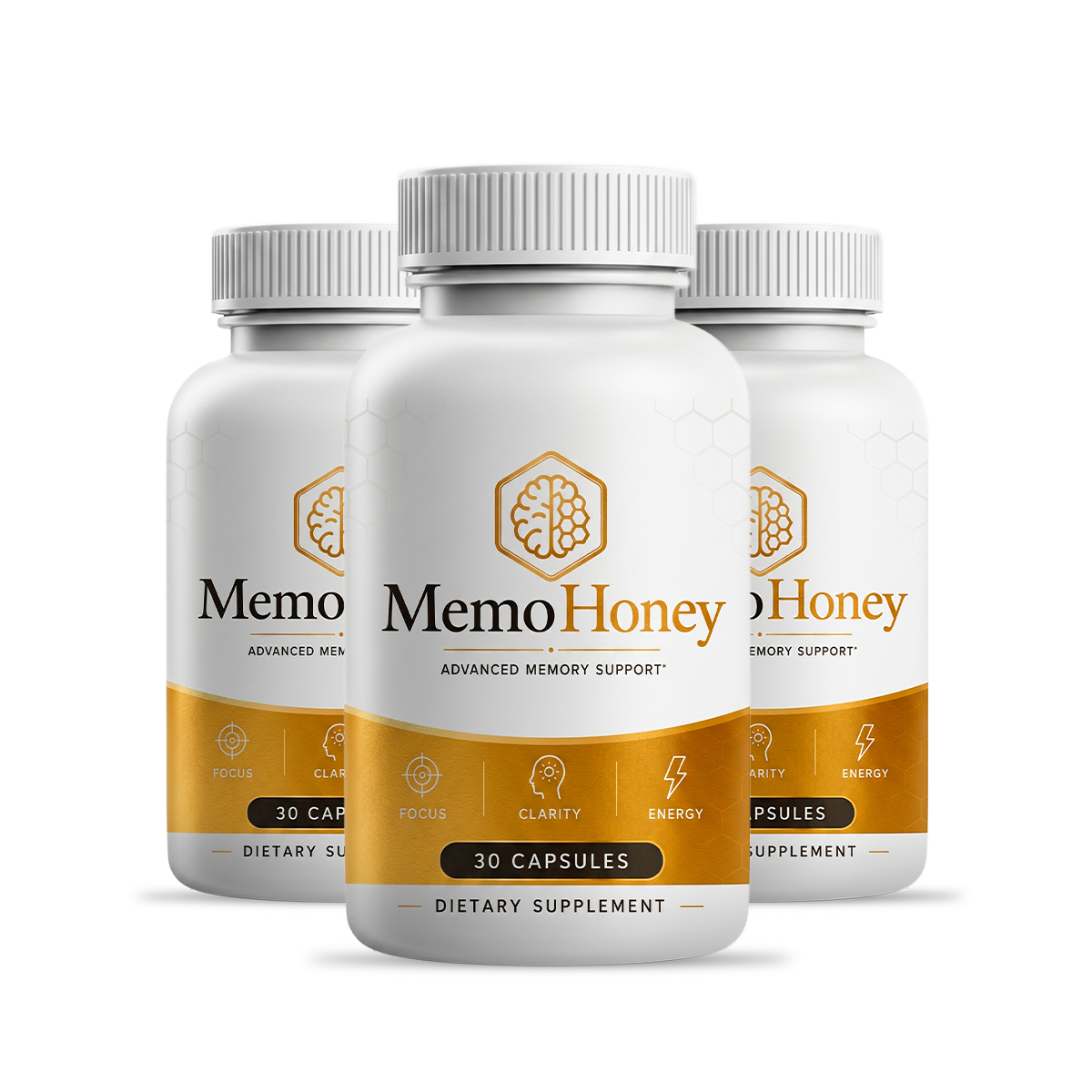
We encourage readers to apply these checks to every purchase, including ours. The MemoHoney reviews page lists the genuine pros and cons, and the refund policy explains exactly how the 60-day window works.
You will find the latest MemoHoney offers on the MemoHoney official website. As with any supplement, speak to a healthcare professional first if you have a medical condition or take prescription medicine.
So what should you do?
Treat everything you read about third-party testing seals, including this article, as a starting point. Combine it with professional advice and your own honest observations.
Check MemoHoney Official Pricing