Common Questions About the Reading Habit
Below are straightforward answers to frequently asked questions about a daily reading habit, with safety points included where they matter.
Where should a beginner start with a daily reading habit?
Reading requires attention, memory and imagination working together. Unlike scrolling, sustained reading trains the ability to follow long arguments and stories. It is an easy, enjoyable way to exercise focus every day.
Why is this worth understanding?
Lifestyle factors influence memory both directly and through their effects on sleep, mood and heart health. Summarising what you read strengthens memory of it.
What have studies found?
Longitudinal studies have associated lifelong reading and other cognitively stimulating activities with slower cognitive decline. Research comparing screen and print reading suggests comprehension of longer texts may be slightly better on paper for many readers. Reading builds vocabulary and background knowledge, which support comprehension.
Deep reading, following a long text with full attention, is a skill that can weaken with constant skimming. Many readers find it returns quickly with daily practice away from notifications.
What facts are worth knowing?
- Fiction requires tracking characters and plot, exercising memory.
- Reading before bed from a paper book avoids screen stimulation.
- Book clubs add social connection and discussion.
- Even 20 minutes a day adds up to many books a year.
Are there safety concerns?
Difficulty following text that was once easy to read can have many causes, including vision problems, and should be checked. Anyone taking prescription medicine should check before adding a new supplement or making a major lifestyle change.
What practical steps help?
- Set a small daily reading goal, such as ten pages.
- Keep a book where you would otherwise reach for your phone.
- Write a one-line summary after each chapter.
- Join or start a book club.
Is there a practical example?
Someone who has not finished a book in years might start with short stories or essays and a 15-minute reading slot before bed, gradually building up to longer works.
What is a common misconception?
Many people believe that only serious books benefit the brain. Any reading you enjoy and sustain exercises attention and memory.
A second belief is that audiobooks do not count as reading. In reality, listening supports comprehension and can be equally engaging for many people. Another frequent error: another is being inconsistent at weekends, which undoes much of the progress made during the week, particularly for sleep.
How should you track progress?
Give changes enough time. Most habits and ingredients related to memory are judged over weeks, so review your notes monthly rather than daily.
Any other points to consider?
Reliable information is one of the best tools you have. Take the time to understand a topic before acting on it, and you will make better decisions.
Research on lifestyle and brain health mostly comes from observational studies, which show associations rather than proof of cause. Trials that combine several habits, such as the FINGER study, have produced encouraging results.
Your surroundings can make healthy choices easier. Keeping fruit visible, leaving walking shoes by the door and charging your phone outside the bedroom remove small barriers to good habits.
Notice what gets in the way. If a habit keeps slipping, adjusting the time, place or size of the task is usually more effective than relying on willpower.
Small environmental tweaks, such as keeping walking shoes by the door or fruit on the counter, often work better than relying on motivation alone.
If you share your household with others, involving them can make changes easier. Family members often notice improvements in mood or alertness before we notice them ourselves.
Health guidelines are designed for populations, not individuals. If you have a medical condition, a doctor can help adapt general advice on exercise, diet or sleep to your circumstances.
Is MemoHoney relevant here?
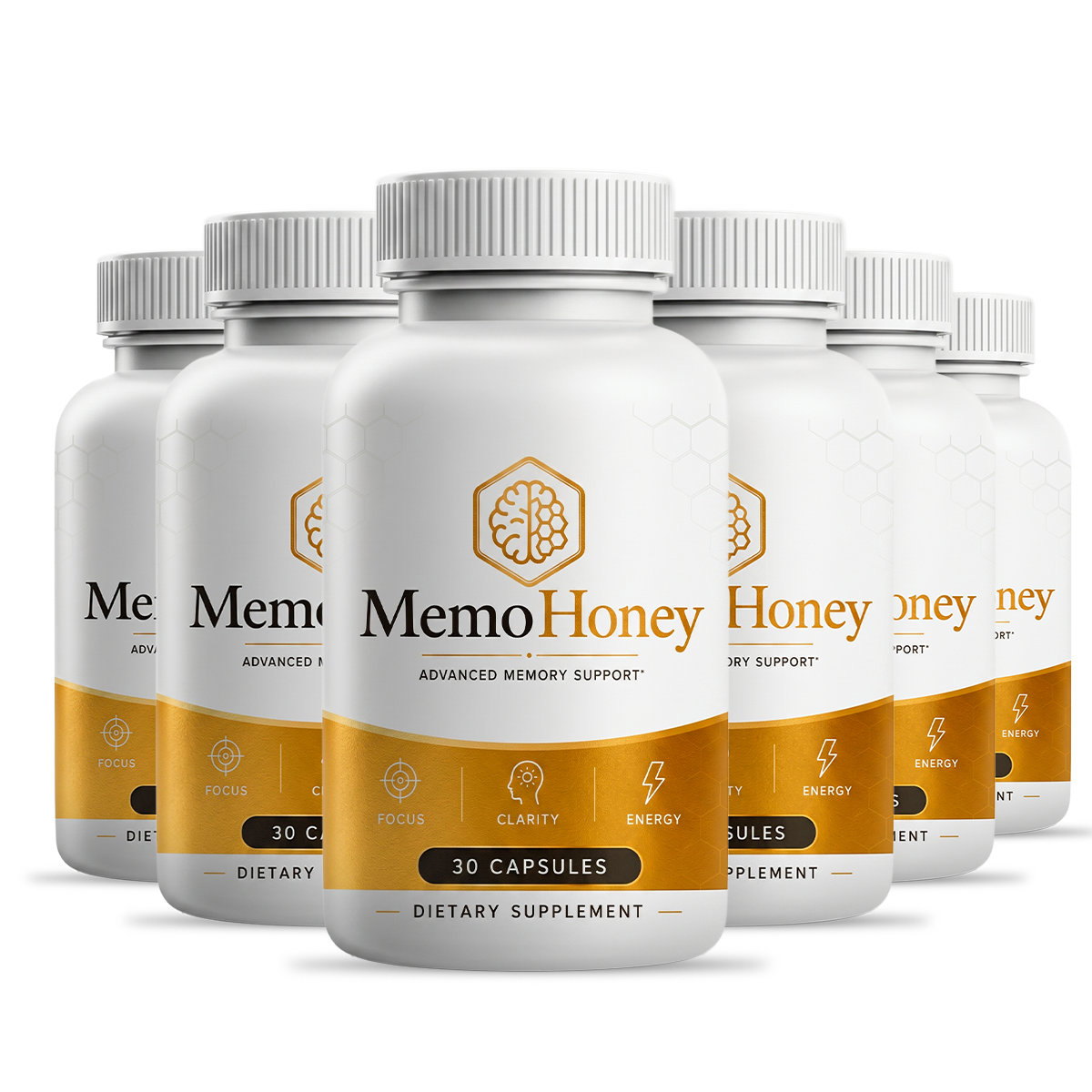
We would always put the basics first. Once they are in place, some people choose to add a daily memory-support supplement such as MemoHoney, which you can learn about on the what is MemoHoney page.
The MemoHoney official website is the only authorised place to order. There you can see the official MemoHoney pricing and the terms of the 60-day guarantee side by side.
So what should you do?
There is no shortcut around the basics, but understanding a daily reading habit helps you make better use of them. Keep this guide handy and revisit it when new claims come your way.
Check MemoHoney Official Pricing