The Reading Habit: A Plain-English Guide
Our editorial team receives more questions about a daily reading habit than about most other topics on this blog. This guide covers the basics first and then the details that matter most.
The Reading Habit in Plain Terms
Reading requires attention, memory and imagination working together. Unlike scrolling, sustained reading trains the ability to follow long arguments and stories.
Reading builds vocabulary and background knowledge, which support comprehension. Fiction requires tracking characters and plot, exercising memory.
Why This Topic Matters
It is an easy, enjoyable way to exercise focus every day. Lifestyle factors influence memory both directly and through their effects on sleep, mood and heart health.
The Science So Far
Longitudinal studies have associated lifelong reading and other cognitively stimulating activities with slower cognitive decline. Research comparing screen and print reading suggests comprehension of longer texts may be slightly better on paper for many readers. Many habit studies track people for years, measuring how daily routines relate to later memory and brain health.
Deep reading, following a long text with full attention, is a skill that can weaken with constant skimming. Many readers find it returns quickly with daily practice away from notifications.
Funding and publication bias can tilt the literature. Positive results are more likely to be published, so a handful of encouraging studies may overstate the true effect.
You can cross-check what you read here against the National Institute on Aging, which has no product to sell.
Key Facts at a Glance
- Reading before bed from a paper book avoids screen stimulation.
- Book clubs add social connection and discussion.
- Even 20 minutes a day adds up to many books a year.
- Summarising what you read strengthens memory of it.
Where People Go Wrong
People also tend to rely on motivation rather than environment. Making the healthy option the easy option works far better.
One misconception comes up often: Audiobooks do not count as reading. In reality, listening supports comprehension and can be equally engaging for many people.
Another idea worth correcting: Only serious books benefit the brain. The evidence points elsewhere: any reading you enjoy and sustain exercises attention and memory.
Simple Steps to Apply
Try building these habits into your routine:
- Set a small daily reading goal, such as ten pages.
- Keep a book where you would otherwise reach for your phone.
- Write a one-line summary after each chapter.
- Join or start a book club.
Here is how this plays out in everyday life. Someone who has not finished a book in years might start with short stories or essays and a 15-minute reading slot before bed, gradually building up to longer works.
If you share your notes with a doctor or pharmacist, they can help interpret changes and spot anything that needs attention.
Beyond the Basics
When you read about health online, favour sources that cite their evidence, name their authors and separate advertising from editorial content. Government health agencies and peer-reviewed reviews are good places to start.
If you have questions this article does not answer, your doctor or pharmacist can give advice that reflects your full health history.
It is also worth revisiting this topic every so often, as your circumstances, health and routines change over the years.
Many of these habits reinforce each other. Better sleep makes exercise easier, exercise improves mood, and a better mood makes healthy eating more likely.
Tracking a habit on a calendar or app can help, but it does not need to be perfect. Missing a day occasionally has little effect on long-term progress, as long as you return to the routine.
A Note on MemoHoney
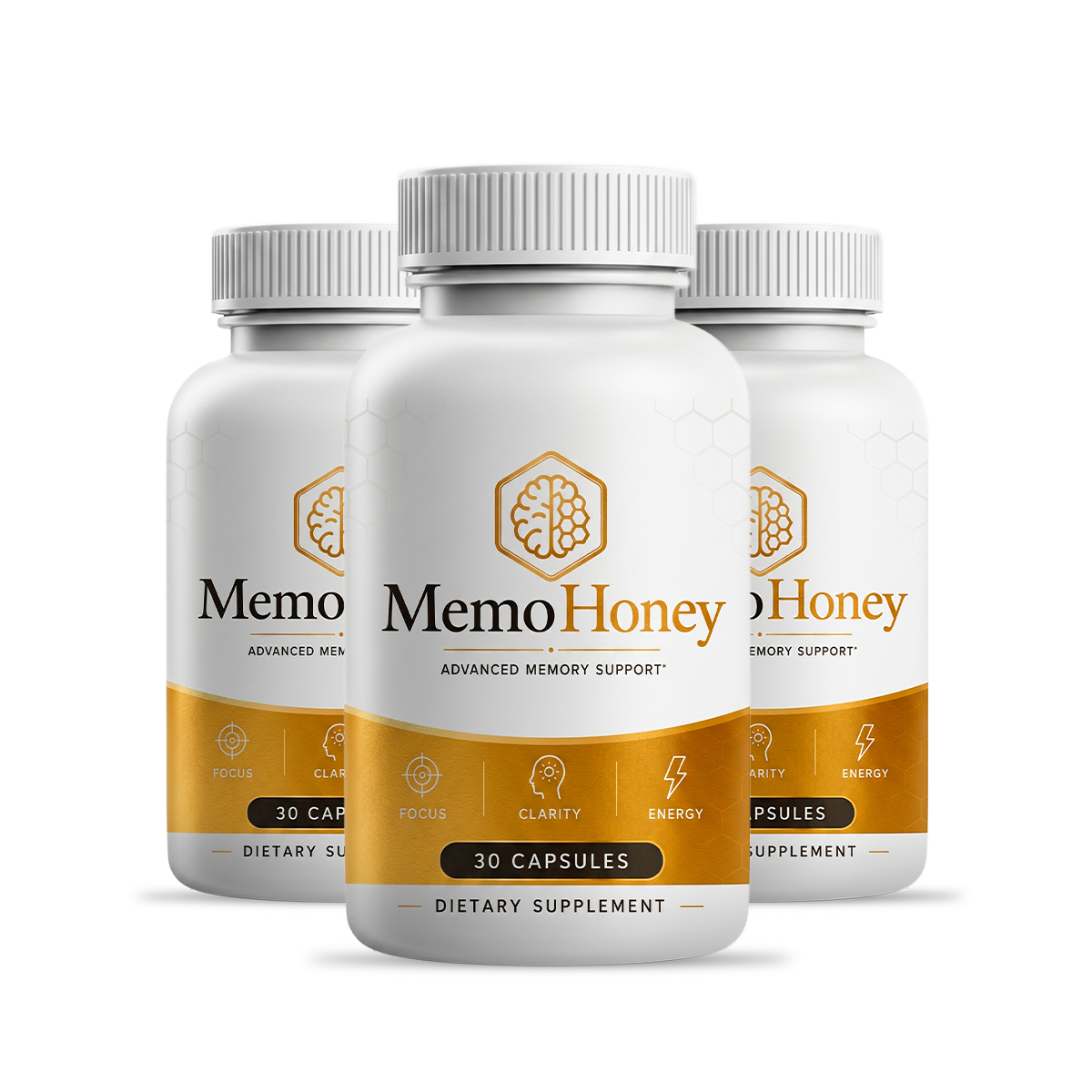
If you are exploring supplements alongside lifestyle changes, our MemoHoney ingredients page lists what is in each capsule, and the MemoHoney reviews page gives an honest summary of pros and cons.
Pricing, shipping and the guarantee are all set out on the MemoHoney official website. Read them calmly, check the label with your pharmacist if you take medication, and decide in your own time.
Summing Up
Clear thinking about a daily reading habit protects both your health and your wallet. Take what is useful here, leave what does not apply to you and keep learning.
Check MemoHoney Official Pricing