Structure-Function Claims: A Step-by-Step Buyer's Guide
Small, consistent actions usually beat ambitious plans that are abandoned after a week. This guide applies that principle to structure-function claims.
The Basics of Structure-Function Claims
Structure-function claims describe how a nutrient or ingredient affects the normal structure or function of the body, such as supports memory or promotes focus. Supplements may make these claims but cannot claim to treat disease. The required disclaimer states the claim has not been evaluated by the FDA.
The FDA does not review structure-function claims before they appear, but companies must be able to substantiate them. The FTC can act against advertising that goes further than the evidence supports, whatever the label says.
Understanding this rule explains the careful wording, and the disclaimer, you see on every responsible supplement page. Marketing is designed to move you toward a purchase. Knowing the rules around structure-function claims helps you slow down and decide on your own terms.
Your Action Plan
A few simple actions put this knowledge to work:
- Read the disclaimer as a reminder that the claim is not FDA-evaluated.
- Be wary of any product claiming to treat a medical condition.
- Look for evidence behind claims rather than bold language.
- Report misleading claims to the FTC.
A real-world example makes this clearer. A label that says supports healthy memory function is within the rules. A website that says reverses memory loss in 30 days is making a claim that no supplement is permitted to make.
Each step connects to something the evidence has shown. Supports healthy memory is a structure-function claim; treats Alzheimer's would be a disease claim. Companies are responsible for having evidence for their claims.
The Science Behind These Steps
Under DSHEA, supplement makers must notify the FDA within 30 days of marketing a structure-function claim and include a standard disclaimer. Claims to diagnose, treat, cure or prevent disease are reserved for approved drugs.
Where People Go Wrong
The most common mistake is ordering in a hurry. Countdown timers and limited stock messages are designed to stop you reading the terms. Finally, many people buy from the cheapest listing they find, which is exactly where counterfeit and expired products tend to appear.
Two misconceptions also trip people up. The first is that the disclaimer means the product does not work. In reality, it means the FDA has not evaluated the claim, which applies to all such supplement claims. The second is that supports memory means it improves memory in everyone. Actually, the phrase describes general support, not a guaranteed or measurable result.
Important Safety Points
Staying Organised After You Order
Give changes enough time. Most habits and ingredients related to memory are judged over weeks, so review your notes monthly rather than daily.
At a Glance
- The FTC polices advertising claims, while the FDA oversees labels.
- Qualified health claims are a separate category with specific FDA-approved wording.
- Words such as cure, reverse or prevent disease are warning signs on supplement marketing.
For independent background, the NIH Office of Dietary Supplements is a reliable, non-commercial place to start.
Other Things Worth Knowing
Remember that you can always ask the seller questions before paying. A reputable company will answer clearly about ingredients, doses, testing and returns, and a vague or pushy response is itself useful information.
Information on health topics changes as new research is published. Checking the date of any article, including this one, and looking for recent reviews helps keep your understanding current.
Where MemoHoney Fits
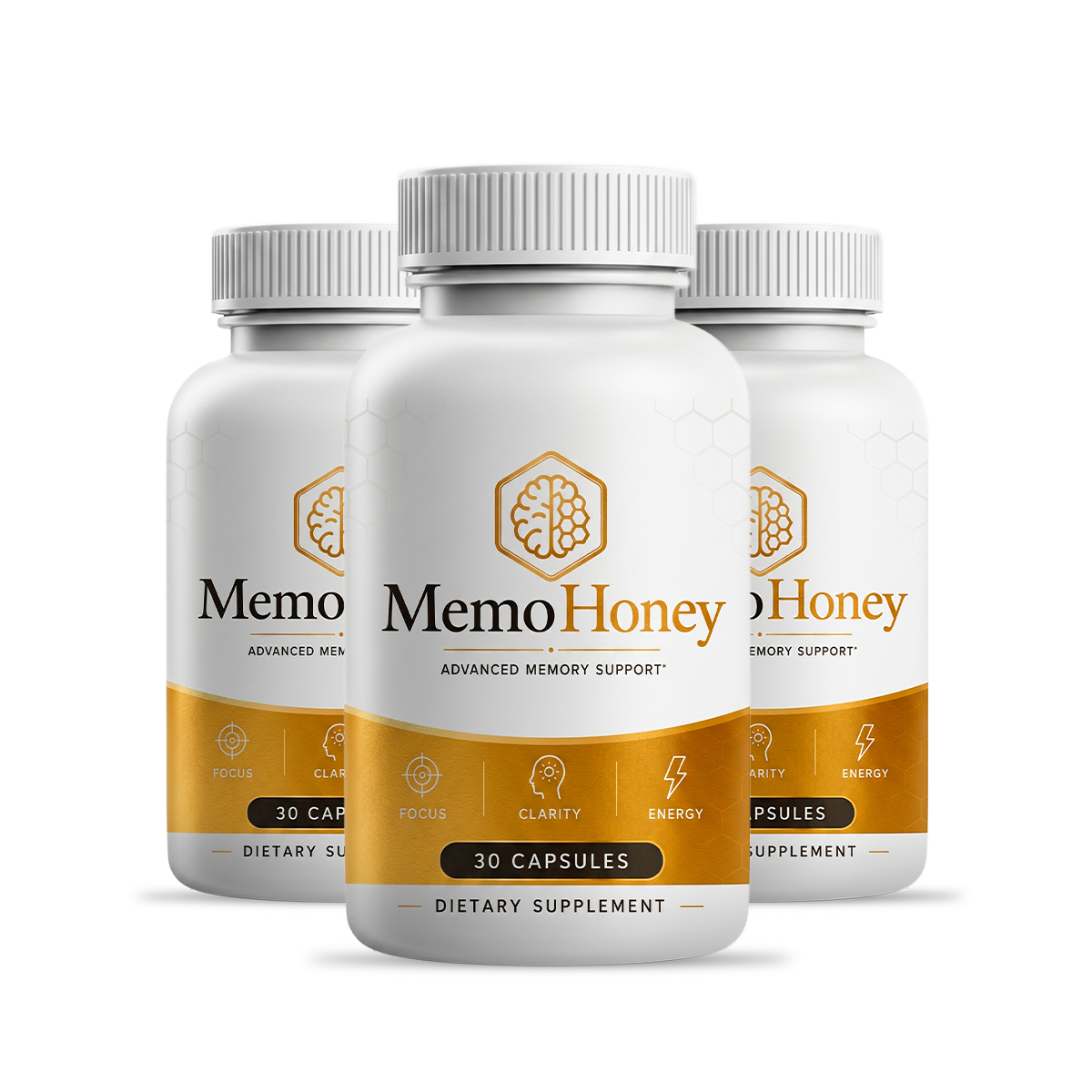
If you are weighing MemoHoney, read the MemoHoney ingredients page, keep your order confirmation email, and note the purchase date. Those three steps cover most of what this article recommends.
When you are ready, you can compare bundle sizes on the MemoHoney official website. Choose a quantity that matches how long you plan to try it, and keep your confirmation email for the refund policy.
Final Thoughts
Good information turns structure-function claims from a source of confusion into something you can act on sensibly. Start small, track honestly and adjust as you learn what works for you.
Check MemoHoney Official Pricing