Structure-Function Claims: Separating Myth From Fact
A lot of confident advice about structure-function claims circulates online. Not all of it survives contact with the research, as the examples below show.
Structure-function claims describe how a nutrient or ingredient affects the normal structure or function of the body, such as supports memory or promotes focus. Supplements may make these claims but cannot claim to treat disease. Marketing is designed to move you toward a purchase. Knowing the rules around structure-function claims helps you slow down and decide on your own terms.
Why Myths About Structure-Function Claims Spread
Buyer myths spread because the rules around supplements are genuinely confusing, and sellers have little incentive to clarify them. Understanding this rule explains the careful wording, and the disclaimer, you see on every responsible supplement page.
Myth 1: The disclaimer means the product does not work
Fact: It means the FDA has not evaluated the claim, which applies to all such supplement claims. The required disclaimer states the claim has not been evaluated by the FDA.
Myth 2: Supports memory means it improves memory in everyone
Fact: The phrase describes general support, not a guaranteed or measurable result. Supports healthy memory is a structure-function claim; treats Alzheimer's would be a disease claim.
Myth 3: More badges mean a better product
Fact: Badges vary from meaningful certifications to decorative images with no independent verification.
Myth 4: A money-back guarantee removes all risk
Fact: Guarantees have windows and conditions that decide whether they can actually be used.
What Is Actually True
- Companies are responsible for having evidence for their claims.
- The FTC polices advertising claims, while the FDA oversees labels.
- Qualified health claims are a separate category with specific FDA-approved wording.
- Words such as cure, reverse or prevent disease are warning signs on supplement marketing.
What Official Guidance Says
Under DSHEA, supplement makers must notify the FDA within 30 days of marketing a structure-function claim and include a standard disclaimer. Claims to diagnose, treat, cure or prevent disease are reserved for approved drugs. Where studies disagree, the most cautious interpretation is usually the safest one to act on.
The FDA does not review structure-function claims before they appear, but companies must be able to substantiate them. The FTC can act against advertising that goes further than the evidence supports, whatever the label says.
You can cross-check what you read here against the NIH Office of Dietary Supplements, which has no product to sell.
Practical Alternatives
Here is how to apply the key points in everyday life:
- Read the disclaimer as a reminder that the claim is not FDA-evaluated.
- Be wary of any product claiming to treat a medical condition.
- Look for evidence behind claims rather than bold language.
- Report misleading claims to the FTC.
Here is how this plays out in everyday life. A label that says supports healthy memory function is within the rules. A website that says reverses memory loss in 30 days is making a claim that no supplement is permitted to make.
More Useful Context
Remember that you can always ask the seller questions before paying. A reputable company will answer clearly about ingredients, doses, testing and returns, and a vague or pushy response is itself useful information.
Reliable information is one of the best tools you have. Take the time to understand a topic before acting on it, and you will make better decisions.
How This Relates to MemoHoney
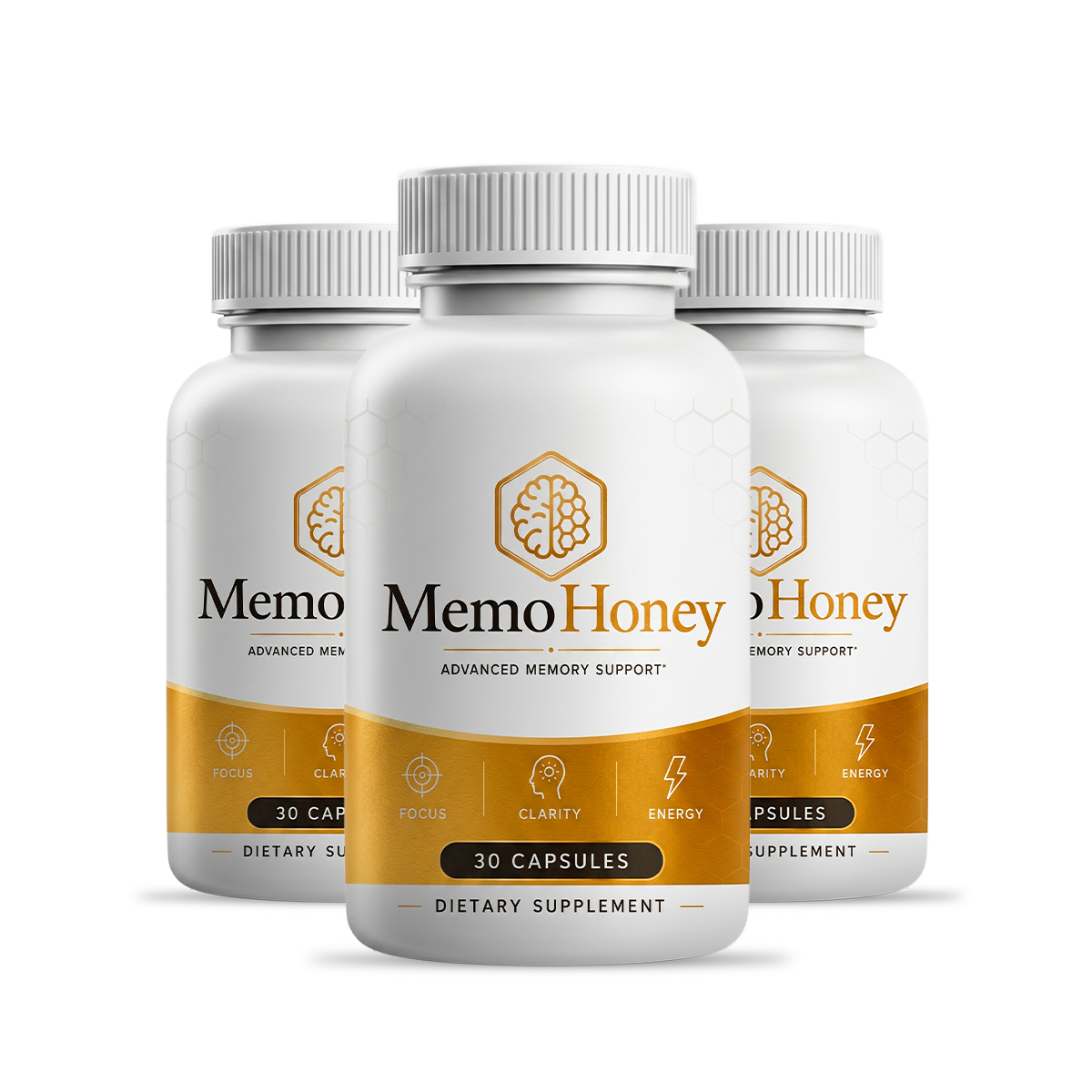
We encourage readers to apply these checks to every purchase, including ours. The MemoHoney reviews page lists the genuine pros and cons, and the refund policy explains exactly how the 60-day window works.
You will find the latest MemoHoney offers on the MemoHoney official website. As with any supplement, speak to a healthcare professional first if you have a medical condition or take prescription medicine.
Key Takeaway
Structure-function claims is worth understanding because it shapes decisions you make every day. Focus on the facts that are well supported, stay sceptical of dramatic promises and involve a professional whenever health or medication is part of the picture.
Check MemoHoney Official Pricing