Common Myths About Stress and Memory
It is easy to pick up myths without realising it, especially from advertising and social media. Here are the ones about stress, cortisol and memory that deserve a second look.
Stress triggers the release of hormones such as adrenaline and cortisol. In short bursts they sharpen attention, but prolonged high levels can interfere with how the brain learns and retrieves information. Brain science can sound abstract, but it has direct practical consequences for how you sleep, work and learn.
Why Myths About Stress and Memory Spread
Brain science is complex, and simplified explanations can drift into myths. A catchy phrase is easier to share than a careful summary. If your memory feels worse during demanding periods, stress may be doing more of the damage than ageing.
Myth 1: All stress is bad for memory
Fact: Brief, manageable stress can sharpen attention; the problem is intense or prolonged stress. Cortisol follows a daily rhythm, normally peaking shortly after waking.
Myth 2: A supplement can cancel out a stressful lifestyle
Fact: No product replaces sleep, recovery and dealing with the source of stress. Acute stress tends to strengthen memory for the stressful event itself.
Myth 3: Memory decline is unstoppable after 40
Fact: Some processing speed slows with age, but knowledge and vocabulary often improve, and lifestyle factors matter a great deal.
Myth 4: We only use ten percent of our brains
Fact: Imaging shows activity across virtually the whole brain, even during sleep.
Facts to Keep
- Stress at the moment of recall makes retrieval harder, a common cause of blanking.
- Chronic stress is linked with poorer sleep, which further harms memory.
- Regular exercise and social support are both associated with healthier stress responses.
- Slow breathing activates the parasympathetic nervous system, which counters the stress response.
What Studies Support
Laboratory studies show acute stress can impair retrieval, which is why people blank during exams. Long-term studies link chronic stress and high cortisol with poorer memory and changes in the hippocampus and prefrontal cortex. Even where evidence is encouraging, it rarely supports dramatic promises. Modest, gradual effects are the norm in brain health research.
The hippocampus has many receptors for stress hormones, which helps it regulate the stress response but also makes it sensitive to prolonged exposure. The prefrontal cortex, which supports working memory, is similarly affected, which is why stress makes it harder to think flexibly.
The National Institute on Aging is a useful source for checking claims independently.
Better Habits to Follow
The most useful actions are also the simplest:
- Build short recovery breaks into busy days.
- Practise retrieval under mild pressure before important events.
- Use slow breathing before presentations or exams.
- Talk to someone you trust when pressure builds.
A real-world example makes this clearer. A speaker who knows their presentation perfectly may go blank when they see a packed room. Rehearsing in front of a small audience first makes the real event feel less threatening and retrieval easier.
A Few More Points to Consider
The brain uses around a fifth of the body's energy despite making up only about two percent of body weight. That high demand helps explain why sleep, blood flow and nutrition have such a visible effect on thinking.
If you have questions this article does not answer, your doctor or pharmacist can give advice that reflects your full health history.
Information on health topics changes as new research is published. Checking the date of any article, including this one, and looking for recent reviews helps keep your understanding current.
Where MemoHoney Fits
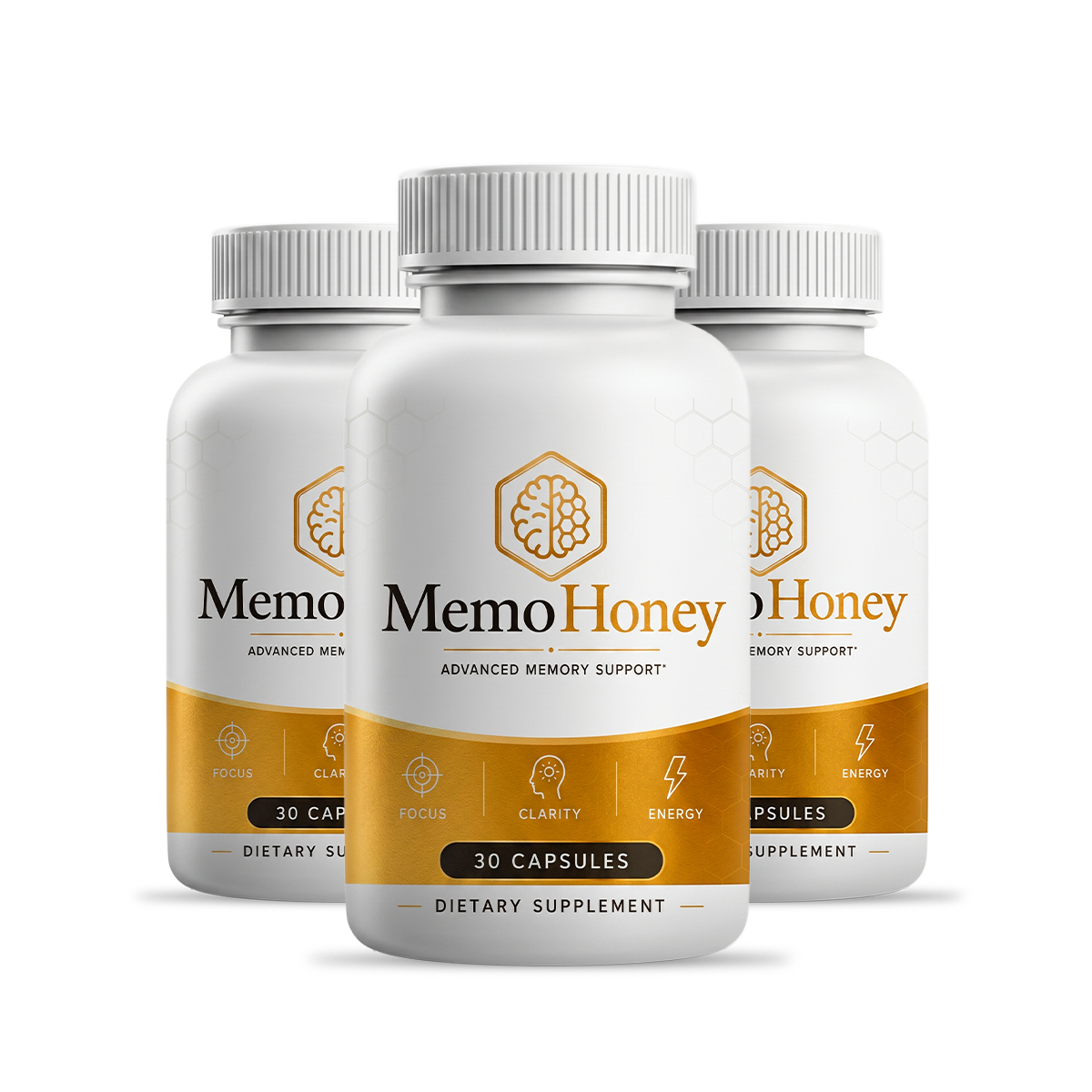
Supplements work best when expectations are realistic. MemoHoney is designed for consistent daily use over weeks, not for an instant effect, and our MemoHoney reviews page is open about that.
For the full details, visit the MemoHoney official website. Its pricing section shows the per-bottle cost for each bundle so you can work out the cost per day before ordering.
Key Takeaway
Treat everything you read about stress, cortisol and memory, including this article, as a starting point. Combine it with professional advice and your own honest observations.
Check MemoHoney Official Pricing