Social Connection and the Brain: What Every Adult Should Know
If you have been reading about memory and focus, social connection and brain health has probably come up more than once. This guide pulls the essentials into one place, in plain language, so you can understand the topic before making any decisions.
Starting With the Basics
Regular contact with other people is not only good for mood; it also exercises memory, language and attention. Conversation is one of the most complex things the brain does.
Conversation requires memory, attention, language and reading emotions at the same time. Loneliness has been linked with poorer sleep and higher stress hormones.
Why It Matters for Memory and Focus
Staying connected is one of the most enjoyable ways to protect cognitive health. Mental performance naturally varies from day to day. The aim is not perfection but more good days and fewer frustrating ones.
What the Research Shows
The 2020 and 2024 Lancet Commission reports list social isolation as a modifiable risk factor for dementia. Long-term studies link loneliness with faster cognitive decline, although the relationship is complex and works in both directions. Many studies in this area are short and small, so reviewers look for patterns across dozens of experiments before drawing firm conclusions.
Social engagement may protect the brain through several routes: mental stimulation, reduced stress, better health habits and a sense of purpose. Researchers are still untangling which of these matter most.
Averages can hide a lot of variation. A study may report a modest improvement overall while some participants changed a great deal and others not at all.
If you want to read further, the National Center for Complementary and Integrative Health publishes free, evidence-based information.
Key Facts at a Glance
- Hearing loss can lead to social withdrawal, which adds to cognitive risk.
- Volunteering and group activities provide both social and mental stimulation.
- Quality of relationships matters, not just quantity.
- Social isolation became a public health focus in several countries in recent years.
Common Mistakes to Avoid
People also overlook the role of sleep and stress, then wonder why techniques that work for others do not work for them.
One misconception comes up often: Only introverts need to worry about isolation. In reality, anyone can become isolated, and preferences for social contact differ.
Another idea worth correcting: Online contact does not count. The evidence points elsewhere: it can help, although in-person contact offers additional benefits.
What You Can Do
The most useful actions are also the simplest:
- Schedule regular calls or meetups with friends or family.
- Join a club, class or volunteer group.
- Address hearing problems that make conversation tiring.
- Combine social time with activity, such as walking groups.
A simple example helps. A recently retired engineer who joins a community repair café gains conversation, problem-solving and a weekly routine, three things linked with healthy cognitive ageing.
The simplest way to judge progress is a one-minute note each day: how you slept, how focused you felt and anything unusual. After a month, patterns become visible that you would never notice day to day.
A Few More Points to Consider
It is also worth revisiting this topic every so often, as your circumstances, health and routines change over the years.
Energy and focus rise and fall across the day. Planning demanding work for your naturally sharper hours, and routine tasks for slower periods, is one of the simplest ways to get more from the same effort.
MemoHoney and This Topic
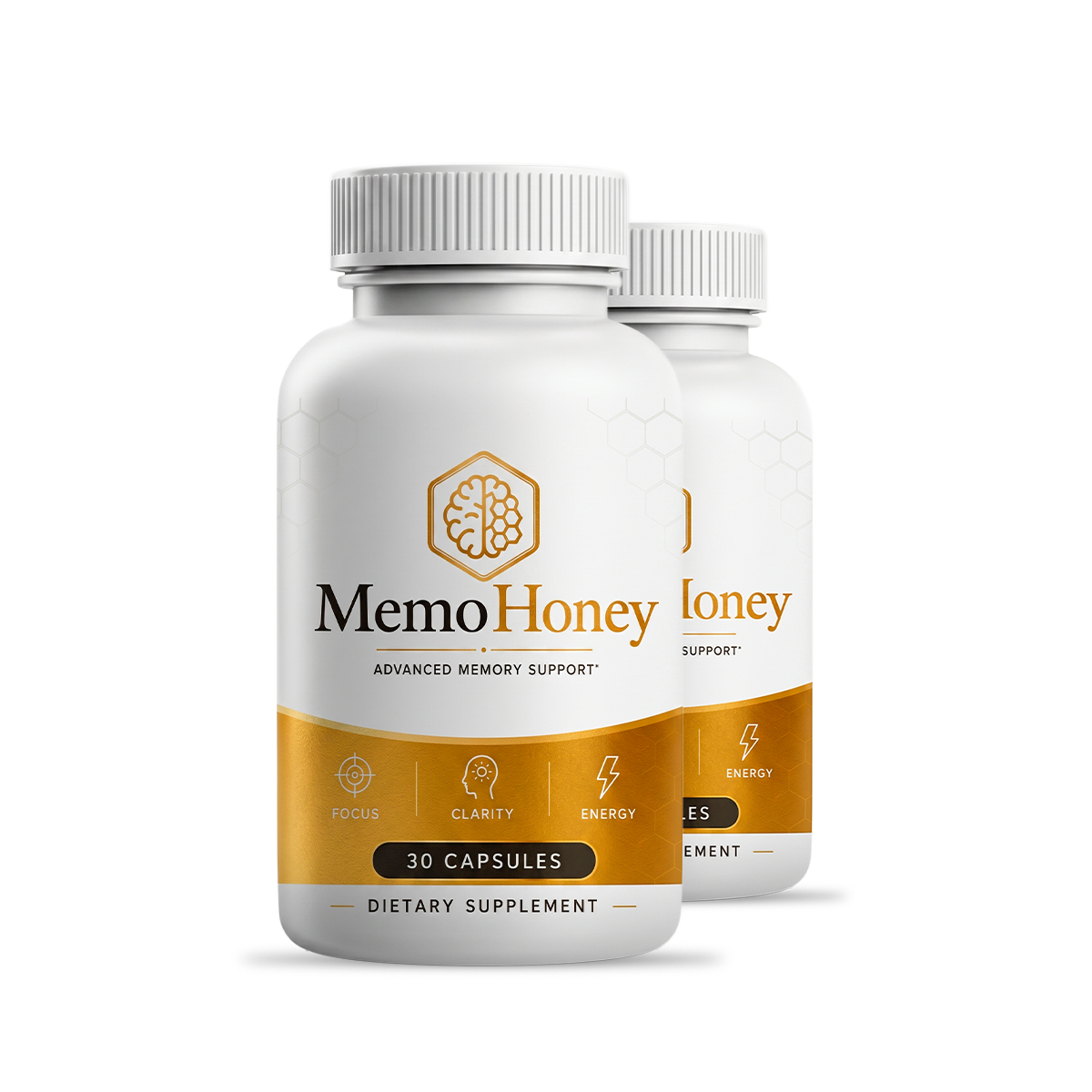
Supplements work best when expectations are realistic. MemoHoney is designed for consistent daily use over weeks, not for an instant effect, and our MemoHoney reviews page is open about that.
If you decide to try it, the current MemoHoney discount is shown in the pricing section of the MemoHoney official website, with 2, 3 and 6 bottle options and a 60-day refund window from the purchase date.
Key Takeaway
Good information turns social connection and brain health from a source of confusion into something you can act on sensibly. Start small, track honestly and adjust as you learn what works for you.
Check MemoHoney Official Pricing