Common Myths About Rhodiola Rosea
A lot of confident advice about Rhodiola rosea circulates online. Not all of it survives contact with the research, as the examples below show.
Rhodiola rosea, sometimes called golden root or arctic root, is a flowering plant from cold, high-altitude regions of Europe and Asia. It is classed as an adaptogen, a term for herbs traditionally used to help the body cope with stress. An ingredient list tells you what is in a product; it does not tell you whether the amounts match anything that has been studied. Understanding Rhodiola rosea individually closes part of that gap.
Why Misconceptions Persist
Ingredient myths often start with a real laboratory finding that gets stretched far beyond what it showed. By the time it reaches an advert, a hint in a test tube has become a promise. Stress and fatigue are two of the biggest enemies of concentration, which is why an anti-fatigue herb shows up in focus products.
Myth 1: Adaptogens are proven to balance every stress hormone
Fact: Adaptogen is a traditional category; human evidence for rhodiola focuses mainly on fatigue and is still limited. Extracts are often standardised to about 3 percent rosavins and 1 percent salidroside, mirroring the natural ratio in the root.
Myth 2: Any rhodiola label is interchangeable
Fact: Species and standardisation vary, and testing has found substitution in some commercial products. Studies have typically used between 200 and 600 mg of extract per day.
Myth 3: Ingredient research on one form applies to all forms
Fact: Extracts, salts and standardisations differ, so results for one form do not automatically transfer.
Myth 4: Natural ingredients are always safe
Fact: Many plant and nutrient ingredients have real side effects and drug interactions, so natural is not the same as risk-free.
What Is Actually True
- Rhodiola is usually taken in the morning because some people find it mildly stimulating.
- Wild rhodiola has been overharvested in some regions, which raises questions about sourcing.
- Some products sold as rhodiola have been found to contain other Rhodiola species with different chemistry.
- Effects in fatigue studies were usually measured over a few weeks rather than long term.
What Studies Support
Several small trials suggest rhodiola may reduce mental fatigue and improve concentration under stressful conditions such as night shifts or exam periods. Systematic reviews describe the evidence as promising but limited by small sample sizes and variable study quality. Official bodies such as the NIH tend to describe the evidence conservatively. That caution is a feature, not a flaw.
Rhodiola's proposed actions include effects on the stress-response system known as the HPA axis and on cellular energy. Much of the early research came from Scandinavia and the former Soviet Union, and not all of it meets modern trial standards, which is why reviewers remain cautious.
The NIH Office of Dietary Supplements is a useful source for checking claims independently.
Practical Alternatives
These practical steps are a sensible place to start:
- Take it earlier in the day if you notice any effect on sleep.
- Look for a standardised extract with stated rosavin and salidroside levels.
- Pay attention to whether stressful weeks feel different, rather than expecting a daily sensation.
- Pair it with basic stress habits such as regular breaks and daylight exposure.
A real-world example makes this clearer. A nurse working a run of night shifts might wonder whether rhodiola could help with fatigue. The honest answer is that a few small studies suggest modest benefit, while sleep scheduling and light exposure have far stronger evidence.
MemoHoney and This Topic
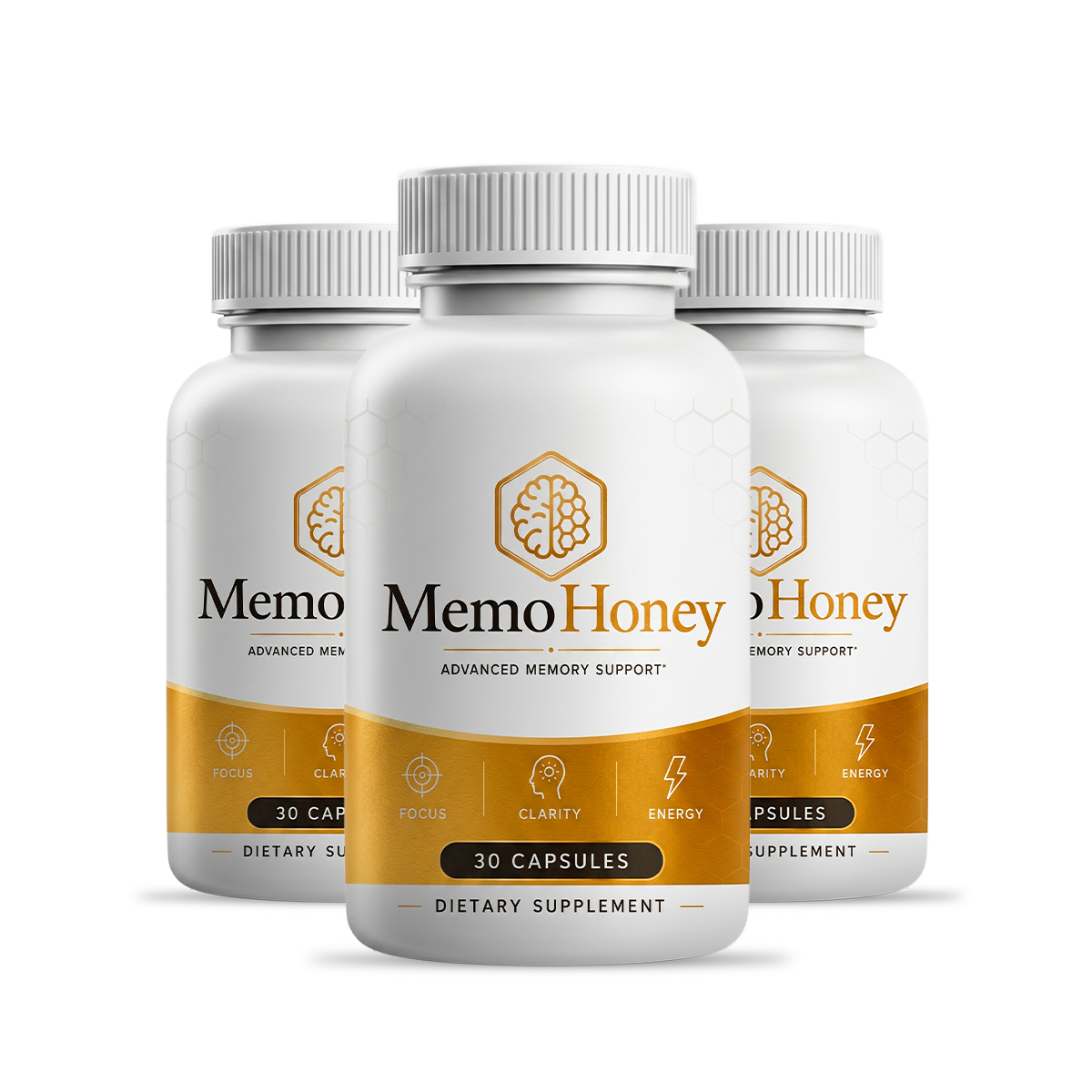
We publish this kind of ingredient background so readers can judge any memory formula on its merits, including ours. The full list is on the MemoHoney ingredients page, and the how MemoHoney works page explains the thinking behind it.
You will find the latest MemoHoney offers on the MemoHoney official website. As with any supplement, speak to a healthcare professional first if you have a medical condition or take prescription medicine.
Key Takeaway
Rhodiola rosea rewards a careful, curious approach. Ask good questions, check your sources and remember that your doctor or pharmacist is an ally in every decision.
Check MemoHoney Official Pricing