What People Get Wrong About Nootropics Explained
Before you act on something you read about nootropics, it is worth checking whether it holds up. These are the claims our editors see most often, and what the facts actually say.
Nootropics is an umbrella term for substances claimed to improve cognitive function. It covers prescription drugs, everyday compounds such as caffeine, and many herbal and nutrient supplements. Daily choices shape how sharp you feel far more than most people expect, and nootropics is one of the areas where small changes add up.
Why Myths About Nootropics Explained Spread
Myths about focus often promise effortless results, which is exactly why they are appealing and exactly why they disappoint. The word sounds scientific, but the evidence behind different nootropics varies enormously.
Myth 1: Nootropics can turn you into a genius
Fact: Real effects in healthy people are modest at best. Caffeine is the world's most widely used nootropic.
Myth 2: If it is sold legally, it must be tested
Fact: Supplements do not need proof of effectiveness before sale. Prescription stimulants are medicines for specific conditions and are not appropriate as study aids without a prescription.
Myth 3: Cognitive decline cannot be influenced
Fact: Many lifestyle factors linked to cognitive health can be changed at any age.
Myth 4: Some people are simply born focused
Fact: Focus depends heavily on sleep, environment and habits, all of which can be changed.
The Facts Worth Remembering
- Supplement nootropics are not approved by the FDA for cognitive enhancement.
- Effects in healthy, well-rested people tend to be small.
- Some products sold online have been found to contain unapproved drugs.
- Stacking several nootropics increases the chance of side effects and interactions.
What Studies Support
The term was coined in the 1970s by Romanian chemist Corneliu Giurgea. Evidence is strongest for caffeine and for correcting genuine nutrient deficiencies, moderate for a few botanicals such as bacopa, and weak or absent for many products marketed online. Research tells us about groups, not individuals. Your own response may be larger, smaller or absent, which is why personal tracking is useful.
Some online vendors sell research chemicals marketed as nootropics that have never been approved for human use. These products may be mislabelled, contaminated or illegal, and the FDA has warned about several of them.
You can cross-check what you read here against the National Center for Complementary and Integrative Health, which has no product to sell.
Better Habits to Follow
These practical steps are a sensible place to start:
- Start with sleep, exercise and diet before considering nootropics.
- Research each ingredient individually.
- Avoid products that do not disclose their contents.
- Talk to a professional if you take any medication.
A simple example helps. A student reads a forum post praising an unfamiliar nootropic powder. Searching the FDA's warning letters and import alerts before buying could prevent a serious mistake.
Other Things Worth Knowing
Writing things down frees mental space. A simple to-do list or notes app lets working memory focus on the task in front of you instead of holding reminders.
Recovery is part of performance. Breaks, sleep, time outdoors and social contact are not rewards for finishing work; they are part of what keeps the brain able to work well.
Information on health topics changes as new research is published. Checking the date of any article, including this one, and looking for recent reviews helps keep your understanding current.
How This Relates to MemoHoney
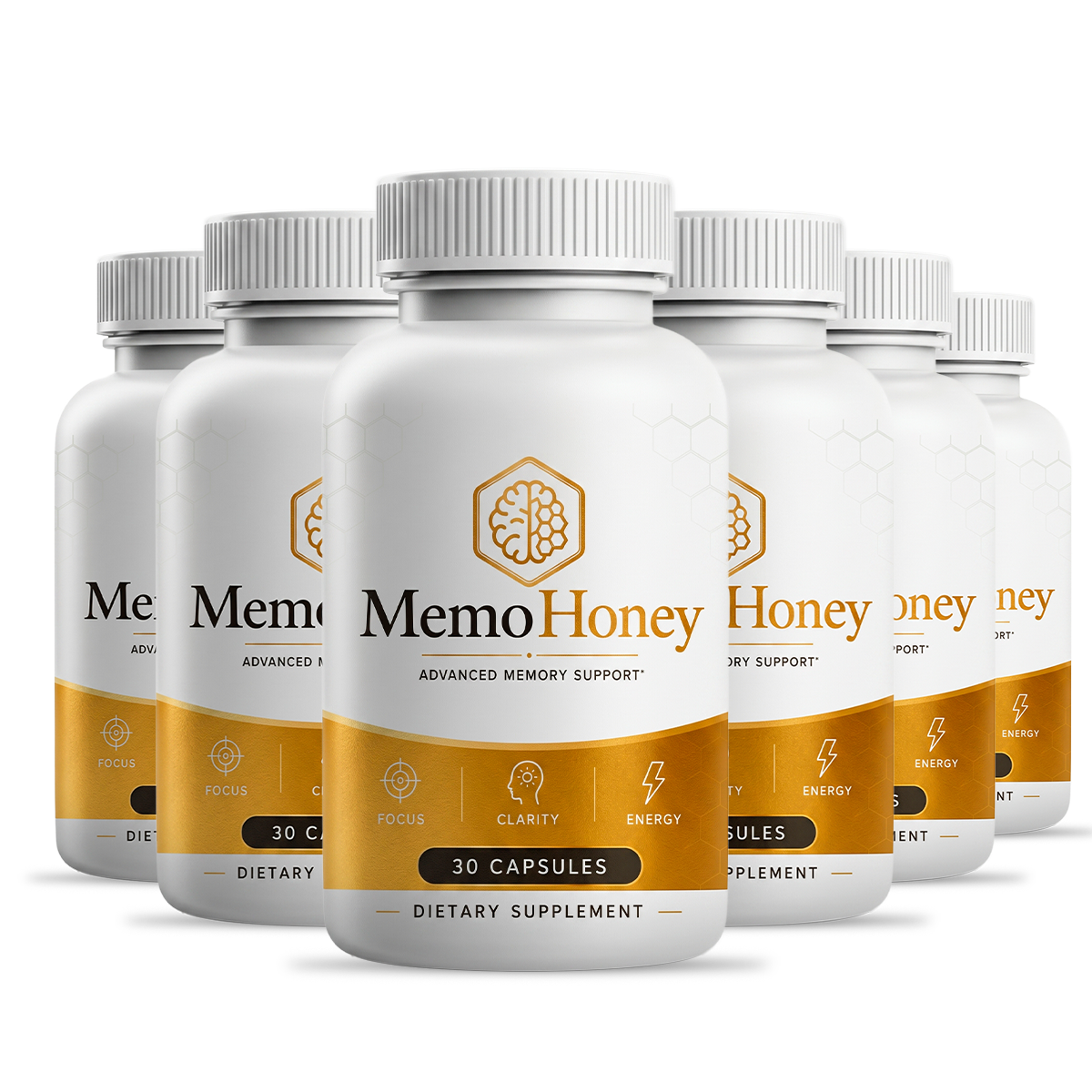
MemoHoney is a once-daily capsule formulated to support memory, focus and mental clarity, and it is designed to sit alongside habits like these rather than replace them. You can read what MemoHoney is and how MemoHoney works before deciding whether it suits you.
Current bundles and the MemoHoney sale pricing are listed on the MemoHoney official website. Each bottle holds 30 capsules, which is one month at the labelled serving.
Summing Up
Nootropics is worth understanding because it shapes decisions you make every day. Focus on the facts that are well supported, stay sceptical of dramatic promises and involve a professional whenever health or medication is part of the picture.
Check MemoHoney Official Pricing