What Research Says About Niacin (Vitamin B3)
Good decisions rest on good information. Below we walk through the research on niacin (vitamin B3), including the parts that rarely make it into advertising.
Niacin, or vitamin B3, helps convert food into energy and is needed for the coenzymes NAD and NADP, which take part in hundreds of cellular reactions, including in the brain. It comes in forms such as nicotinic acid and nicotinamide.
Its link to energy metabolism is the usual reason it appears on focus and energy labels. Most people meet niacin (vitamin B3) on a supplement label rather than in a textbook. A little background makes that label far easier to interpret.
The Evidence in Brief
Severe niacin deficiency causes pellagra, which includes confusion and memory loss among its symptoms. In people with adequate intake, there is little evidence that extra niacin improves cognition. In other words, the evidence is informative but not a reason for sweeping promises.
How Researchers Study Niacin (Vitamin B3)
Systematic reviews and meta-analyses pool the results of many trials, which reduces the influence of any single unusual study. Where they exist for niacin (vitamin B3), they are the best place to start.
Nicotinamide, another form of B3, does not cause flushing and is used in some skin and research settings, but it has different effects from nicotinic acid. The small amounts found in multi-ingredient capsules generally sit well below the flushing threshold.
Association is not causation. When people who do something also have better memory, other factors such as income, education or general health may explain the link.
Key Findings
- Adults need 14 to 16 mg niacin equivalents per day.
- The upper limit for supplemental niacin is 35 mg per day, set largely to avoid flushing.
- Nicotinic acid can cause flushing, meaning warmth, redness and itching, starting at doses of about 30 mg.
- Pellagra is often described by the three Ds: dermatitis, diarrhoea and dementia.
- Poultry, fish, peanuts, whole grains and fortified foods are good sources.
- The body can make niacin from the amino acid tryptophan.
Where the Evidence Gets Thin
Where studies disagree, the most cautious interpretation is usually the safest one to act on. A related misconception is worth naming: A niacin flush means it is working on your brain. In fact, flushing is a blood vessel reaction in the skin, not a sign of cognitive benefit.
A second misreading of the evidence: Niacin is harmless at any dose. In fact, high doses can strain the liver and affect blood sugar.
Reading Claims Critically
Numbers such as 90 percent of users noticed a difference often come from unpublished surveys. Controlled trials are far more informative.
You can cross-check what you read here against PubMed, which has no product to sell.
Practical Implications
A few simple actions put this knowledge to work:
- Check the form and amount of niacin on any label.
- Add niacin from multivitamins and energy drinks to your total.
- Avoid high-dose niacin unless a doctor supervises it.
- Take it with food if you are sensitive to flushing.
To put this in context, a person who feels warm and flushed after taking a supplement may worry it is an allergy. If the label contains nicotinic acid at around 30 mg or more, flushing is a known, usually harmless effect, although it should still be discussed with a doctor.
A Note on MemoHoney
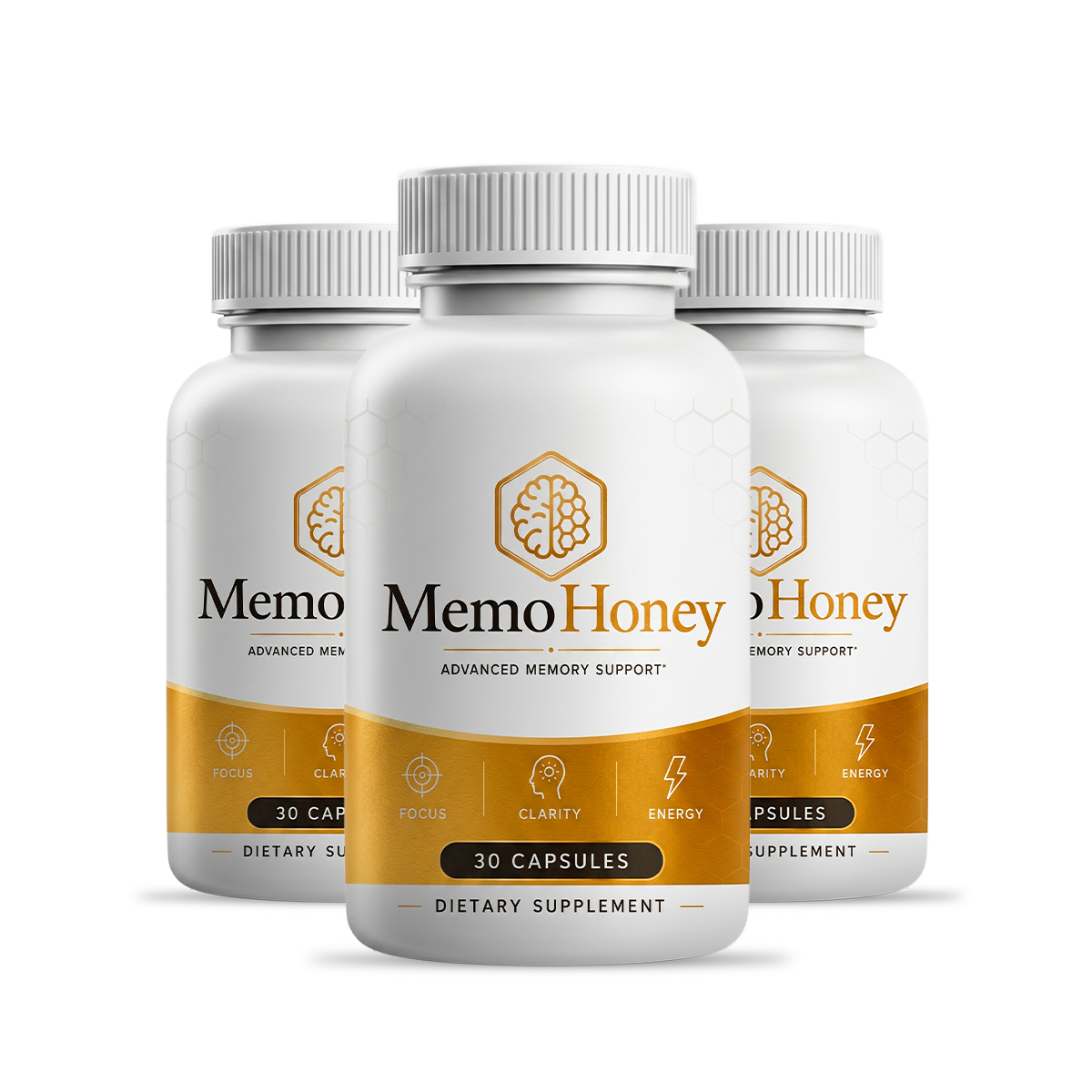
Understanding an ingredient is the first step; checking how it fits a real product is the second. You can see what MemoHoney contains on the MemoHoney ingredients page and read what it is designed to support on the MemoHoney benefits page.
Pricing, shipping and the guarantee are all set out on the MemoHoney official website. Read them calmly, check the label with your pharmacist if you take medication, and decide in your own time.
Summing Up
Niacin (vitamin B3) rewards a careful, curious approach. Ask good questions, check your sources and remember that your doctor or pharmacist is an ally in every decision.
Check MemoHoney Official Pricing