What Research Says About Memory Techniques
When people ask whether memory techniques really matters, they deserve an answer grounded in studies rather than slogans. Here is a balanced look at what is known so far.
Memory techniques, or mnemonics, are strategies that make information easier to encode and retrieve. They work by linking new material to images, places, stories or patterns.
They offer an immediate, drug-free way to remember more. Daily choices shape how sharp you feel far more than most people expect, and memory techniques is one of the areas where small changes add up.
The Evidence in Brief
Studies of memory champions show their brains are not unusual; they rely on trained techniques such as the method of loci. Research shows ordinary people can dramatically improve recall of lists and facts after a few weeks of training. This is a good example of why details, not headlines, should guide decisions.
How the Evidence Is Gathered
Research on focus and learning combines laboratory tasks, classroom and workplace studies, and controlled trials of specific techniques or habits. The most reliable findings have been repeated across different groups of people.
Mnemonics work because the brain evolved to remember places, faces and stories more easily than abstract lists. Techniques simply translate dull information into formats the brain handles naturally.
Who took part matters. Findings in young students, older adults with memory complaints or people with a medical condition do not automatically apply to everyone.
What the Studies Point To
- The method of loci places items along a familiar route in your imagination.
- Chunking groups information, such as phone numbers, into manageable units.
- Acronyms and rhymes help with ordered lists.
- Vivid, unusual images are remembered better than bland ones.
- Linking names to a distinctive feature helps people remember new acquaintances.
- Techniques work best when combined with spaced review.
Where the Evidence Gets Thin
Finally, safety evidence matters as much as benefit evidence. Something with a small upside and a real risk is not a good trade for most people. A related misconception is worth naming: Great memory is a gift you are born with. In fact, most memory champions credit trained techniques rather than natural talent.
A second misreading of the evidence: Mnemonics are only for students. In fact, adults of any age can use them for names, lists and everyday tasks.
Spotting Overstated Claims
A trustworthy source explains limitations as well as benefits. If everything sounds perfect, something is probably being left out.
MedlinePlus is a useful source for checking claims independently.
Turning Evidence Into Action
A few simple actions put this knowledge to work:
- Picture items placed around your home to remember a list.
- Repeat a new name aloud and link it to an image.
- Break long numbers into groups of three or four.
- Review mnemonics after a day and after a week.
Here is how this plays out in everyday life. To remember to buy milk, eggs and bread, picture a carton of milk pouring over your front door, eggs cracking on the stairs and a loaf in your bed. It sounds silly, which is exactly why it works.
Beyond the Basics
When you read about health online, favour sources that cite their evidence, name their authors and separate advertising from editorial content. Government health agencies and peer-reviewed reviews are good places to start.
Recovery is part of performance. Breaks, sleep, time outdoors and social contact are not rewards for finishing work; they are part of what keeps the brain able to work well.
Where MemoHoney Fits
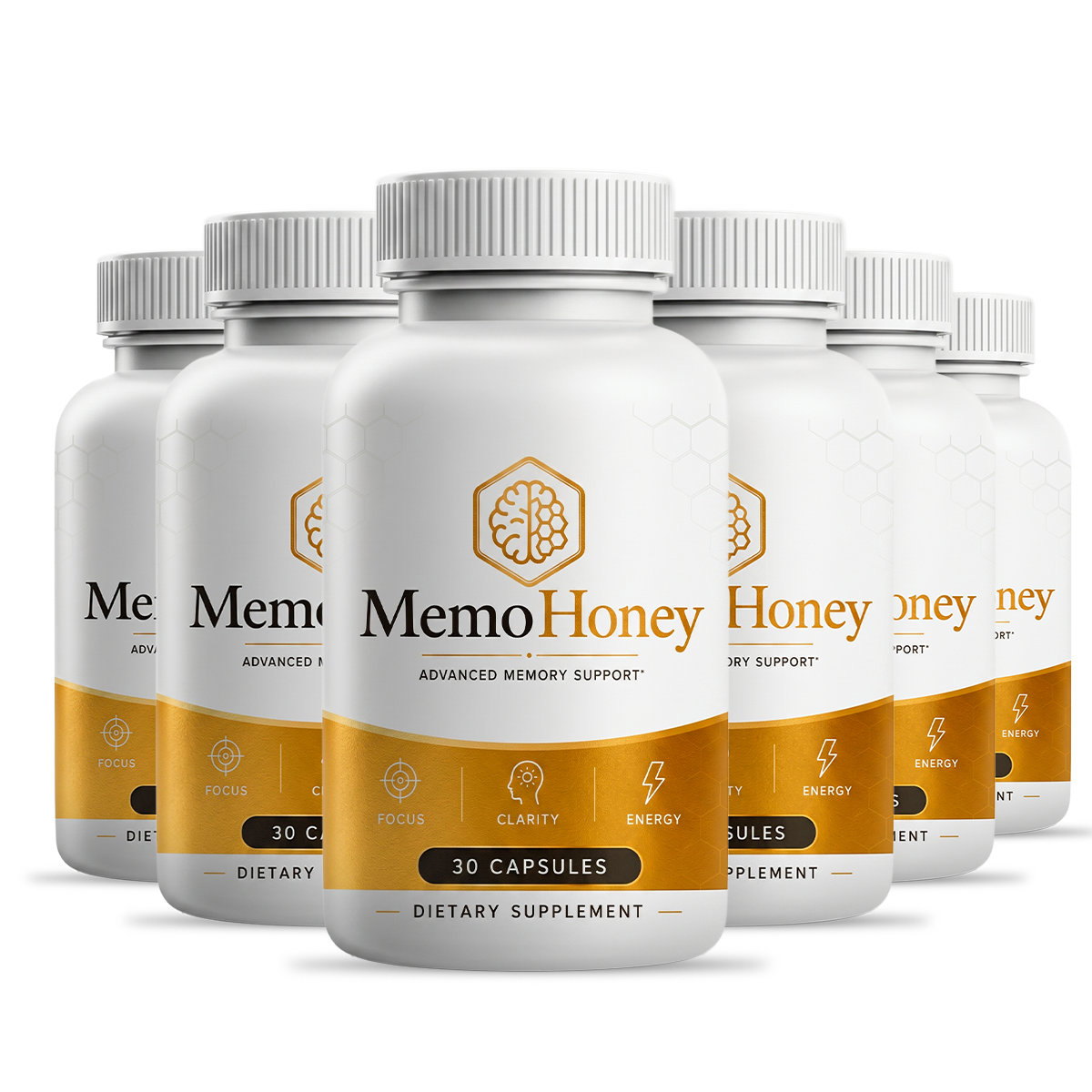
No capsule can substitute for the habits described above. MemoHoney is intended as one small part of a routine that already includes sleep, movement and good nutrition. The MemoHoney benefits page explains what it is formulated to support.
For the full details, visit the MemoHoney official website. Its pricing section shows the per-bottle cost for each bundle so you can work out the cost per day before ordering.
Summing Up
Understanding memory techniques will not transform your memory overnight, but it will help you choose what is worth your time, money and attention. That is a genuine advantage.
Check MemoHoney Official Pricing