Memory Techniques: Your Questions Answered
If you only have a few minutes, this is the article to read on memory techniques. The questions below are the ones that come up again and again.
Where should a beginner start with memory techniques?
Memory techniques, or mnemonics, are strategies that make information easier to encode and retrieve. They work by linking new material to images, places, stories or patterns. They offer an immediate, drug-free way to remember more.
Why does this matter?
Many people look for a quick cognitive fix while overlooking simple, well-studied habits. This topic sits firmly in the second group. Techniques work best when combined with spaced review.
What have studies found?
Studies of memory champions show their brains are not unusual; they rely on trained techniques such as the method of loci. Research shows ordinary people can dramatically improve recall of lists and facts after a few weeks of training. The method of loci places items along a familiar route in your imagination.
Mnemonics work because the brain evolved to remember places, faces and stories more easily than abstract lists. Techniques simply translate dull information into formats the brain handles naturally.
Which details matter most?
- Chunking groups information, such as phone numbers, into manageable units.
- Acronyms and rhymes help with ordered lists.
- Vivid, unusual images are remembered better than bland ones.
- Linking names to a distinctive feature helps people remember new acquaintances.
Are there safety concerns?
Memory techniques help with everyday recall but do not treat memory disorders. Worsening memory still needs medical assessment. Bring the labels of everything you take to your next appointment so your doctor can see the full picture.
What practical steps help?
- Picture items placed around your home to remember a list.
- Repeat a new name aloud and link it to an image.
- Break long numbers into groups of three or four.
- Review mnemonics after a day and after a week.
Can you give an everyday example?
To remember to buy milk, eggs and bread, picture a carton of milk pouring over your front door, eggs cracking on the stairs and a loaf in your bed. It sounds silly, which is exactly why it works.
What is a common misconception?
Many people believe that mnemonics are only for students. Adults of any age can use them for names, lists and everyday tasks.
A second belief is that great memory is a gift you are born with. In reality, most memory champions credit trained techniques rather than natural talent. Another frequent error: another is measuring success by how you feel on a single day. Focus and memory fluctuate, so trends over weeks are more meaningful.
How do you judge results fairly?
The simplest way to judge progress is a one-minute note each day: how you slept, how focused you felt and anything unusual. After a month, patterns become visible that you would never notice day to day.
Is there anything else worth knowing?
Your doctor is a partner in brain health, not only someone to see when problems arise. Regular check-ups catch treatable issues such as high blood pressure, vitamin deficiencies and hearing loss early.
Gentle consistency usually beats intensity. A short daily practice sustained for months tends to produce more lasting change than an ambitious plan abandoned after a fortnight.
If you notice persistent changes in concentration, mood or memory, it is worth speaking to a doctor. Conditions such as thyroid problems, anaemia, depression and sleep apnoea can all affect thinking and are treatable.
Many people find it helpful to review their week every Friday for five minutes: what drained energy, what helped focus and one thing to adjust next week.
Change tends to stick when it is linked to an existing habit. Pairing a new practice with something you already do daily, such as morning coffee, makes it easier to remember.
Is MemoHoney relevant here?
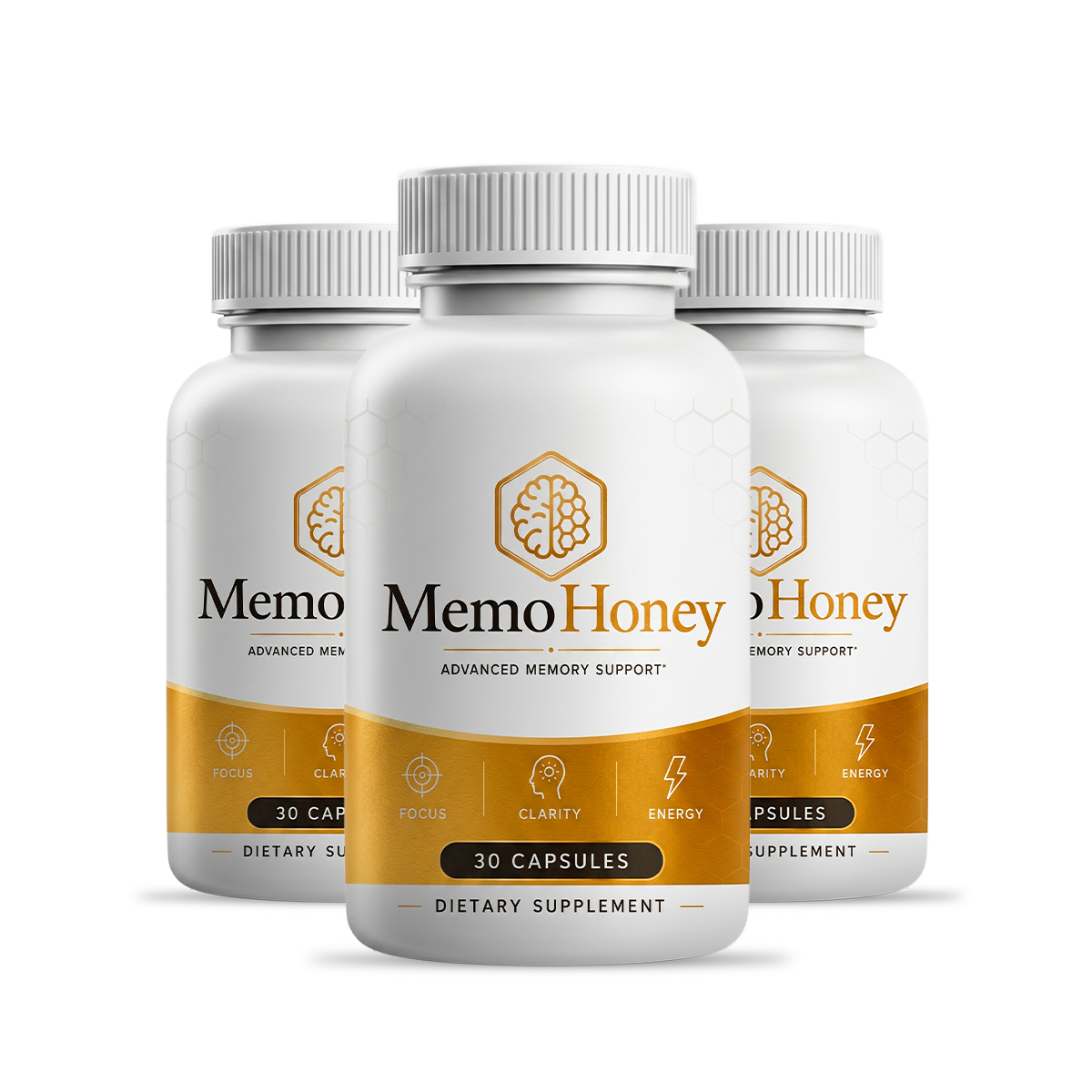
Many readers who follow the advice in this blog also ask about MemoHoney. It is a daily capsule formulated without harsh stimulants, and our how it works page sets out the approach in plain language.
You will find the latest MemoHoney offers on the MemoHoney official website. As with any supplement, speak to a healthcare professional first if you have a medical condition or take prescription medicine.
What is the key takeaway?
Memory techniques rewards a careful, curious approach. Ask good questions, check your sources and remember that your doctor or pharmacist is an ally in every decision.
Check MemoHoney Official Pricing