Memory Techniques: A Practical Checklist
Below you will find a clear, step-by-step approach to memory techniques, along with the safety points worth knowing before you start.
The Basics of Memory Techniques
Memory techniques, or mnemonics, are strategies that make information easier to encode and retrieve. They work by linking new material to images, places, stories or patterns. The method of loci places items along a familiar route in your imagination.
Mnemonics work because the brain evolved to remember places, faces and stories more easily than abstract lists. Techniques simply translate dull information into formats the brain handles naturally.
They offer an immediate, drug-free way to remember more. Cognitive wellness is less about a single breakthrough and more about many small habits that support attention, learning and mood.
A Simple Checklist
If you want to act on this, begin with the following:
- Picture items placed around your home to remember a list.
- Repeat a new name aloud and link it to an image.
- Break long numbers into groups of three or four.
- Review mnemonics after a day and after a week.
Consider a common scenario. To remember to buy milk, eggs and bread, picture a carton of milk pouring over your front door, eggs cracking on the stairs and a loaf in your bed. It sounds silly, which is exactly why it works.
Why these particular steps? Two details explain it. Chunking groups information, such as phone numbers, into manageable units. Acronyms and rhymes help with ordered lists.
The Science Behind These Steps
Studies of memory champions show their brains are not unusual; they rely on trained techniques such as the method of loci. Research shows ordinary people can dramatically improve recall of lists and facts after a few weeks of training.
Common Mistakes to Avoid
People also overlook the role of sleep and stress, then wonder why techniques that work for others do not work for them. Another is measuring success by how you feel on a single day. Focus and memory fluctuate, so trends over weeks are more meaningful.
Two misconceptions also trip people up. The first is that great memory is a gift you are born with. In reality, most memory champions credit trained techniques rather than natural talent. The second is that mnemonics are only for students. Actually, adults of any age can use them for names, lists and everyday tasks.
Safety First
Tracking Your Progress
The simplest way to judge progress is a one-minute note each day: how you slept, how focused you felt and anything unusual. After a month, patterns become visible that you would never notice day to day.
Facts to Keep in Mind
- Vivid, unusual images are remembered better than bland ones.
- Linking names to a distinctive feature helps people remember new acquaintances.
- Techniques work best when combined with spaced review.
The National Institute on Aging is a useful source for checking claims independently.
Beyond the Basics
Comparing yourself with others rarely helps. Cognitive habits work best when they fit your own schedule, preferences and responsibilities, rather than copying someone else's routine exactly.
Energy and focus rise and fall across the day. Planning demanding work for your naturally sharper hours, and routine tasks for slower periods, is one of the simplest ways to get more from the same effort.
If you notice persistent changes in concentration, mood or memory, it is worth speaking to a doctor. Conditions such as thyroid problems, anaemia, depression and sleep apnoea can all affect thinking and are treatable.
If you have questions this article does not answer, your doctor or pharmacist can give advice that reflects your full health history.
How This Relates to MemoHoney
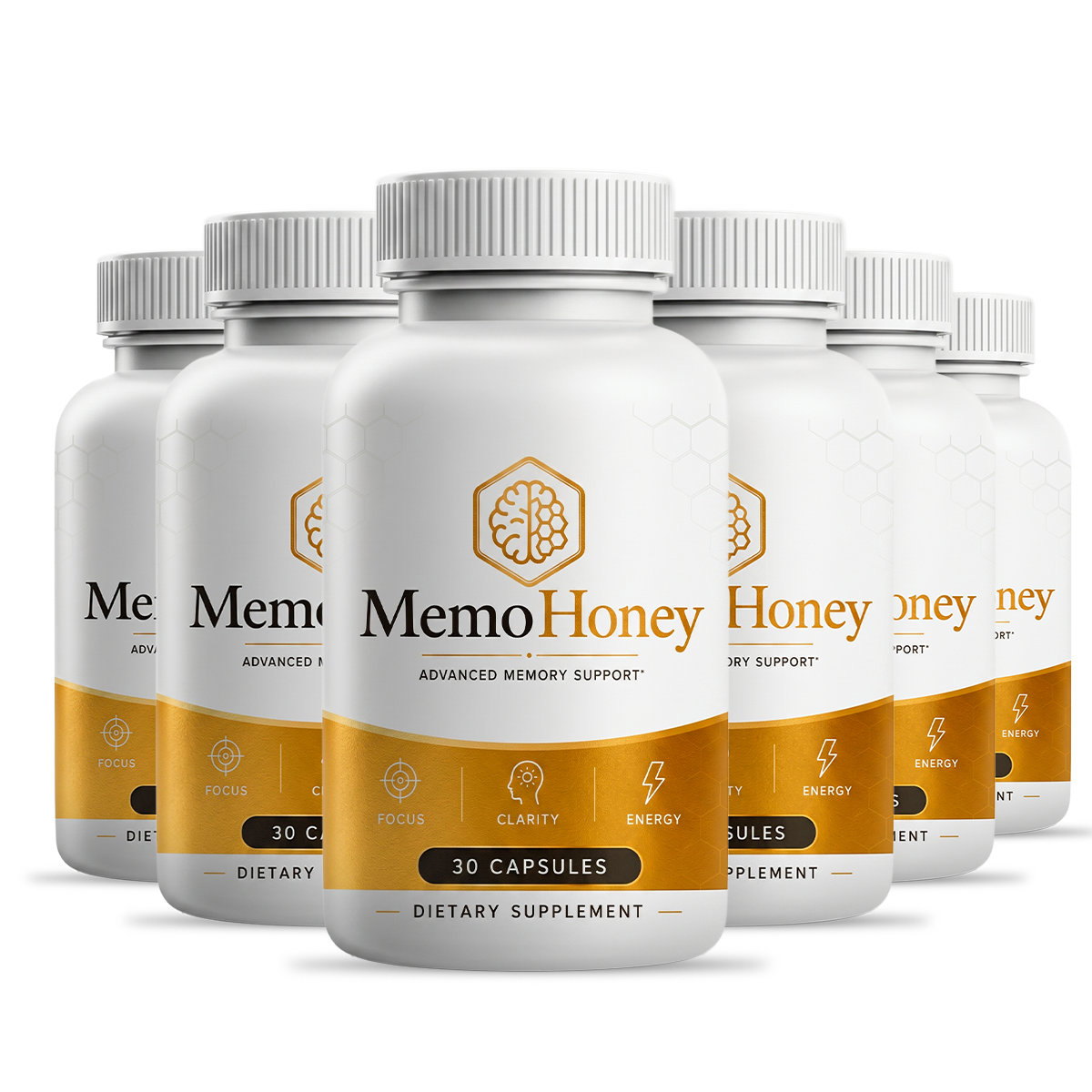
If you are exploring supplements alongside lifestyle changes, our MemoHoney ingredients page lists what is in each capsule, and the MemoHoney reviews page gives an honest summary of pros and cons.
The MemoHoney official website is the only authorised place to order. There you can see the official MemoHoney pricing and the terms of the 60-day guarantee side by side.
Key Takeaway
The bottom line on memory techniques is simple: facts over hype, consistency over intensity and safety first. Everything else builds from there.
Check MemoHoney Official Pricing