L-Citrulline: An Honest Look at the Research
Our editors reviewed the main research and official guidance behind L-citrulline. This summary explains the findings in plain English and flags where caution is warranted.
L-citrulline is an amino acid named after the watermelon, Citrullus lanatus, where it was first identified. The kidneys convert citrulline into arginine, which is then used to make nitric oxide.
It is usually added for the same circulation rationale as arginine, with the advantage that it survives digestion better. Knowing the typical research dose and safety profile of an ingredient turns a label from marketing into information you can actually use.
The Evidence in Brief
Because citrulline bypasses much of the breakdown that affects oral arginine, it raises blood arginine levels more efficiently. Most research focuses on blood pressure and exercise performance, and there is little direct evidence for memory benefits. Keeping that nuance in mind makes it much easier to judge claims you encounter elsewhere.
How the Evidence Is Gathered
Supplement research ranges from test-tube experiments to large randomised trials. For an ingredient like L-citrulline, the most useful evidence comes from placebo-controlled human studies that report the exact dose, the form used and how long participants took it.
Because citrulline is converted to arginine in the kidneys, it can raise arginine levels more reliably than arginine itself. That property has made it a popular ingredient in sports and circulation products, although most studies use doses measured in grams.
No single study settles a question. Results need to be repeated in different groups of people, and small studies are more likely to produce chance findings. Look for reviews that pool many trials rather than one headline result.
What the Studies Point To
- Exercise studies have commonly used 3 to 6 grams of L-citrulline, or around 6 to 8 grams of citrulline malate.
- Citrulline malate combines citrulline with malic acid, so only part of its weight is citrulline.
- Watermelon is the richest food source, especially the pale rind.
- Citrulline is not built into proteins; it acts as an intermediate in the urea cycle.
- Some studies found modest reductions in blood pressure with citrulline supplements.
- Citrulline HCl is a salt form in which part of the weight is hydrochloride.
What the Evidence Does Not Prove
It is also worth remembering what has not been tested. Many common claims simply have no studies behind them, which is different from having studies that failed. A related misconception is worth naming: Citrulline malate is the same as pure citrulline. In fact, part of the weight is malic acid, so a 2:1 citrulline malate is roughly two-thirds citrulline.
A second misreading of the evidence: Citrulline is a memory ingredient. In fact, its research centres on blood flow and exercise; memory evidence is minimal.
Reading Claims Critically
Check whether a claim is about a specific product or about an ingredient in general. Research on one does not automatically apply to the other.
If you want to read further, the NIH Office of Dietary Supplements publishes free, evidence-based information.
Turning Evidence Into Action
A few simple actions put this knowledge to work:
- Check whether a label lists citrulline or citrulline malate and adjust your expectations accordingly.
- Be careful if you already take blood pressure medication.
- Stay hydrated, as with any exercise-oriented supplement.
- Enjoy watermelon as a natural source.
To put this in context, someone who already takes blood pressure medication and starts a circulation formula containing citrulline could see an additional drop in pressure. Checking with a pharmacist first is a sensible precaution.
A Note on MemoHoney
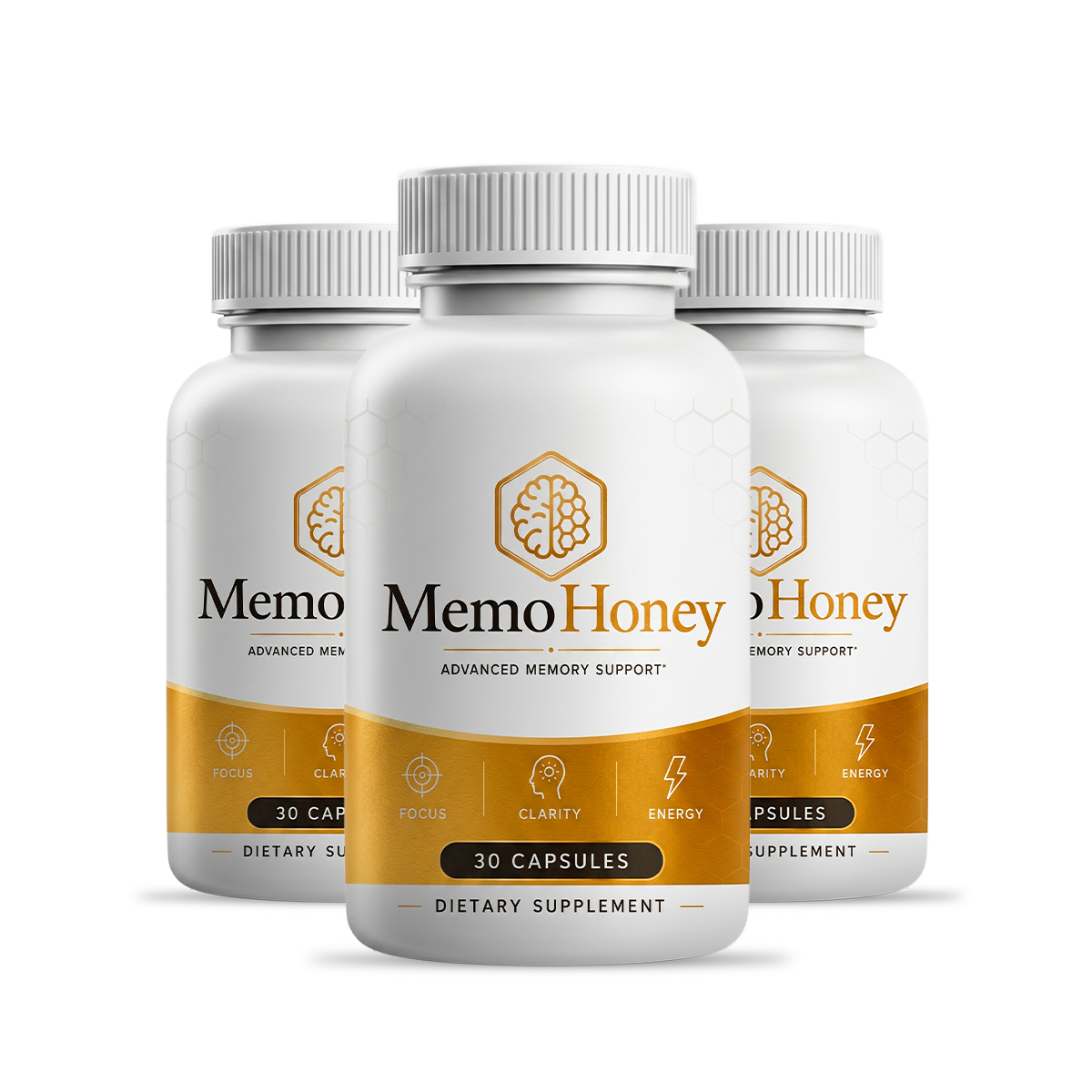
Whether L-citrulline appears in a particular product is a label question, not a marketing one. Our MemoHoney ingredients page lists what goes into each capsule, and the Supplement Facts panel on your bottle is always the final word.
When you are ready, you can compare bundle sizes on the MemoHoney official website. Choose a quantity that matches how long you plan to try it, and keep your confirmation email for the refund policy.
The Bottom Line
There is no shortcut around the basics, but understanding L-citrulline helps you make better use of them. Keep this guide handy and revisit it when new claims come your way.
Check MemoHoney Official Pricing