What People Get Wrong About Hydration and Cognition
A lot of confident advice about hydration and cognition circulates online. Not all of it survives contact with the research, as the examples below show.
The brain is about three-quarters water, and even mild dehydration can change how you feel and think. Thirst, headache and fatigue are common early signals. Memory and focus are not single abilities but systems with many parts. Knowing where hydration and cognition fits helps you target the right part of the problem.
Why Misconceptions Persist
Worry also plays a role. Memory is personal and emotional, which makes alarming or overly reassuring claims spread quickly. It is one of the simplest things to fix when concentration dips during a long day.
Myth 1: You must drink eight glasses of plain water a day
Fact: Needs vary, and fluids from food and other drinks count too. The US National Academies suggest total water intake of about 3.7 litres for men and 2.7 litres for women daily, including water from food.
Myth 2: More water always means sharper thinking
Fact: Once you are hydrated, extra water adds nothing, and extreme intakes can be dangerous. Around a fifth of daily water intake typically comes from food.
Myth 3: Memory decline is unstoppable after 40
Fact: Some processing speed slows with age, but knowledge and vocabulary often improve, and lifestyle factors matter a great deal.
Myth 4: We only use ten percent of our brains
Fact: Imaging shows activity across virtually the whole brain, even during sleep.
Facts to Keep
- Pale straw-coloured urine is a practical sign of good hydration.
- Caffeinated drinks still contribute to fluid intake for regular drinkers.
- Older adults may not feel thirsty until they are already dehydrated.
- Heat, exercise and illness all raise fluid needs.
What Studies Support
Studies suggest that losing around 1 to 2 percent of body weight through fluid loss can impair attention, mood and short-term memory in some people. Older adults are at higher risk because the sense of thirst weakens with age. Research tells us about groups, not individuals. Your own response may be larger, smaller or absent, which is why personal tracking is useful.
Studies on hydration and thinking are tricky to run, because people usually know when they are dehydrated, which can affect results. Even so, the pattern across studies suggests mild fluid loss affects mood and attention before it affects more complex thinking.
The National Institute on Aging is a useful source for checking claims independently.
Better Habits to Follow
Here is how to apply the key points in everyday life:
- Keep a glass or bottle of water within reach while working.
- Drink with each meal.
- Eat water-rich foods such as fruit, soups and vegetables.
- Increase fluids in hot weather and during exercise.
Here is how this plays out in everyday life. A person who works through lunch without drinking may blame their afternoon headache on screens. A large glass of water is an easy first test before reaching for painkillers or caffeine.
A Few More Points to Consider
If you share your household with others, involving them can make changes easier. Family members often notice improvements in mood or alertness before we notice them ourselves.
The Lancet Commission estimates that addressing modifiable risk factors across life could prevent or delay a substantial share of dementia cases, which makes everyday habits a meaningful part of brain health.
How This Relates to MemoHoney
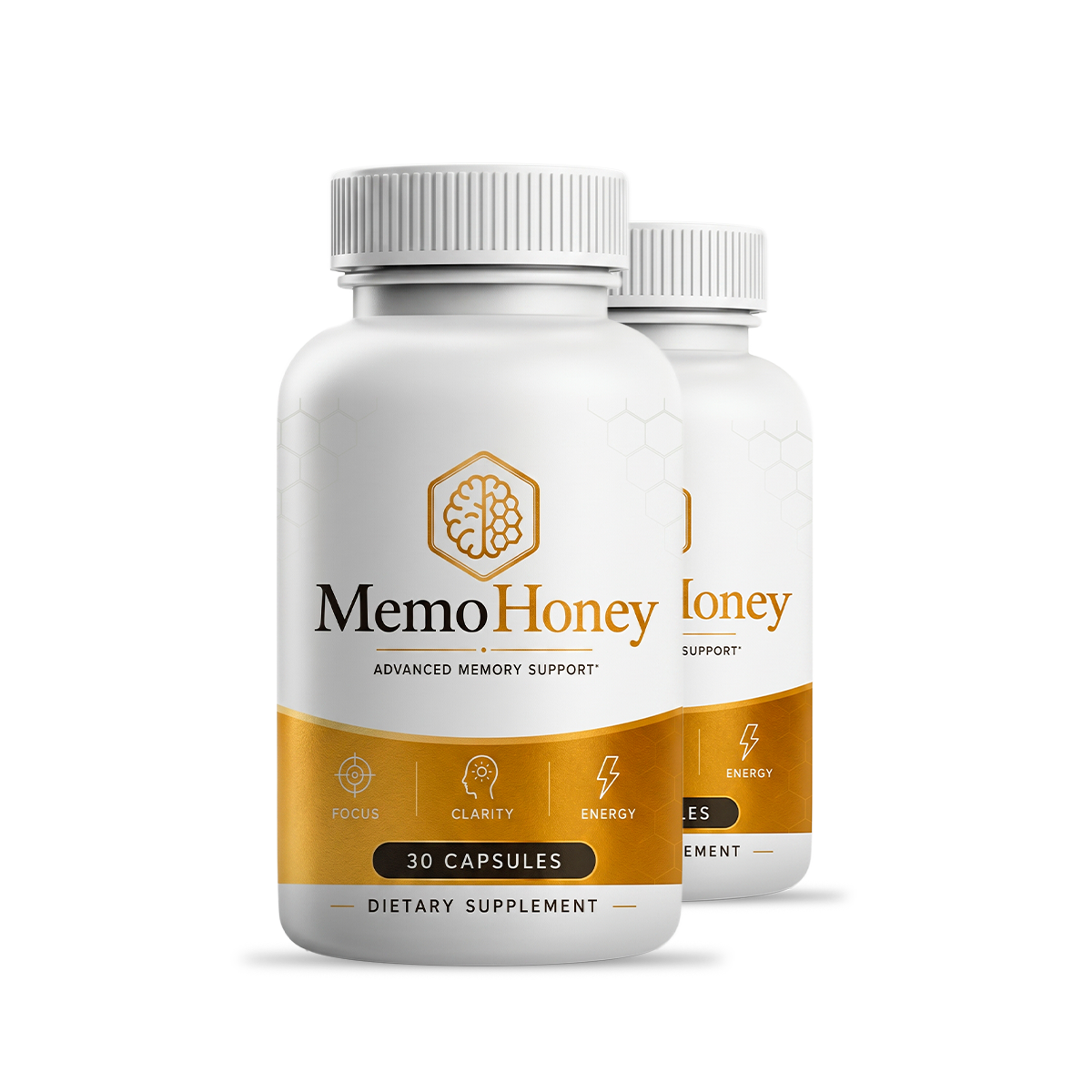
If you are exploring supplements alongside lifestyle changes, our MemoHoney ingredients page lists what is in each capsule, and the MemoHoney reviews page gives an honest summary of pros and cons.
Pricing, shipping and the guarantee are all set out on the MemoHoney official website. Read them calmly, check the label with your pharmacist if you take medication, and decide in your own time.
The Bottom Line
Clear thinking about hydration and cognition protects both your health and your wallet. Take what is useful here, leave what does not apply to you and keep learning.
Check MemoHoney Official Pricing