Clinically Proven Claims: Rules Every Buyer Should Know
Good decisions rest on good information. Below we walk through the research on clinically proven claims, including the parts that rarely make it into advertising.
Phrases such as clinically proven, clinically studied and backed by science appear on many supplement labels. They can mean anything from a large trial of the finished product to a single lab study of one ingredient.
The gap between an ingredient study and a product claim is where much supplement marketing lives. A few minutes of checking before you order can prevent wasted money, unwanted subscriptions and, occasionally, genuine health risks.
What You Need to Know First
The FTC requires health claims to be supported by competent and reliable scientific evidence, which for health benefits generally means well-designed human clinical trials. Studies on an individual ingredient at a particular dose do not automatically support claims for a different product. In other words, the evidence is informative but not a reason for sweeping promises.
Where the Rules Come From
Much of what protects buyers is not a law about a particular product but general rules about truthful advertising, clear disclosure of terms and fair treatment of refunds.
A study's design matters as much as its result. Randomisation, blinding, a placebo group, a meaningful sample size and a pre-registered outcome all increase confidence that a finding is real rather than a statistical fluke.
Averages can hide a lot of variation. A study may report a modest improvement overall while some participants changed a great deal and others not at all.
What This Means in Practice
- Clinically studied ingredient does not mean the finished product was tested.
- Animal and test-tube studies cannot show that something works in people.
- Randomised, placebo-controlled trials provide the strongest evidence.
- The dose in a product should match the dose used in the research it cites.
- Studies funded by manufacturers are common, and funding should be disclosed.
- PubMed is a free database where you can check whether cited studies exist.
What the Rules Do Not Cover
It is also worth remembering what has not been tested. Many common claims simply have no studies behind them, which is different from having studies that failed. A related misconception is worth naming: Clinically proven means guaranteed results. In fact, even good trials show average effects; individual results vary widely.
A second misreading of the evidence: Any published study supports a claim. In fact, study quality, size, dose and relevance all matter.
Reading Claims Critically
A trustworthy source explains limitations as well as benefits. If everything sounds perfect, something is probably being left out.
If you want to read further, the NIH Office of Dietary Supplements publishes free, evidence-based information.
Turning Evidence Into Action
Here is how to apply the key points in everyday life:
- Ask whether the product itself or only an ingredient was studied.
- Check the dose and duration in the cited research.
- Look up cited studies on PubMed.
- Be wary of claims that rely on testimonials rather than trials.
A simple example helps. A product page says its main ingredient is clinically proven and cites one study. Looking it up reveals 40 participants, twice the dose in the product and a different form of the ingredient.
More Useful Context
Payment method matters too. Credit cards generally offer stronger dispute protections than debit cards or bank transfers, which can be useful if a seller does not honour its terms.
MemoHoney and This Topic
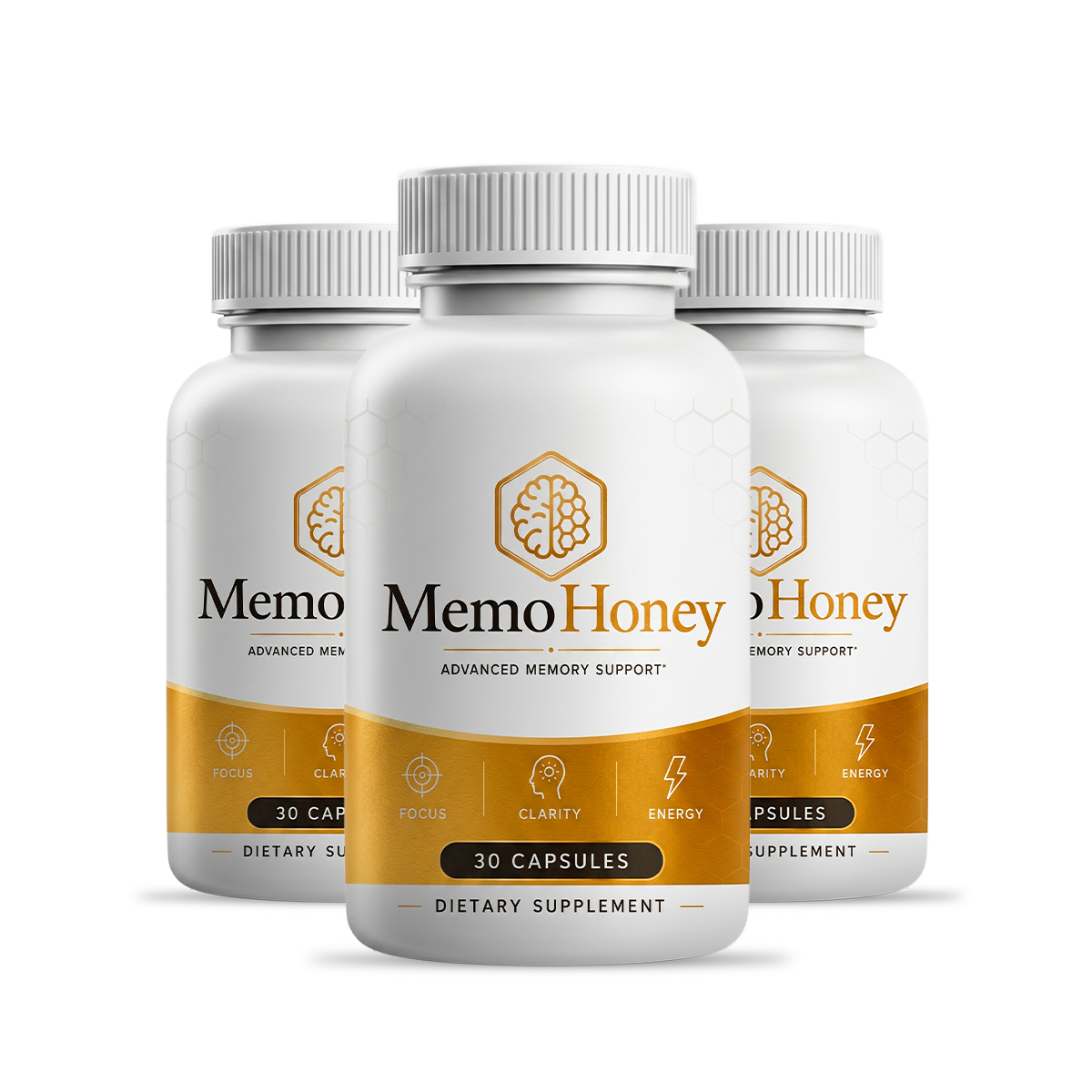
The same checks apply to MemoHoney. It is sold through the MemoHoney official website, and orders there are covered by a 60-day refund window counted from the original purchase date, as set out in our refund policy.
You will find the latest MemoHoney offers on the MemoHoney official website. As with any supplement, speak to a healthcare professional first if you have a medical condition or take prescription medicine.
Summing Up
Treat everything you read about clinically proven claims, including this article, as a starting point. Combine it with professional advice and your own honest observations.
Check MemoHoney Official Pricing