Common Myths About Blood Flow and the Brain
Myths are persuasive because they are simple. The reality of blood flow to the brain is a little more nuanced, but far more useful once you understand it.
The brain makes up about 2 percent of body weight but uses roughly 20 percent of the body's oxygen. It depends on a constant, well-regulated blood supply to deliver oxygen and glucose. Understanding how the brain actually works makes it much easier to spot claims that do not add up, and to choose habits that genuinely help.
Where the Confusion Comes From
Worry also plays a role. Memory is personal and emotional, which makes alarming or overly reassuring claims spread quickly. Circulation is a common theme on brain-supplement labels, so it helps to know what actually protects it.
Myth 1: A circulation pill can make up for high blood pressure
Fact: Controlling blood pressure with lifestyle and prescribed treatment has far stronger evidence. The brain receives roughly 15 percent of the heart's output at rest.
Myth 2: More nitric oxide is always better
Fact: Blood vessel tone is carefully balanced, and too much dilation can mean low blood pressure. Nitric oxide produced by the lining of blood vessels helps them widen.
Myth 3: We only use ten percent of our brains
Fact: Imaging shows activity across virtually the whole brain, even during sleep.
Myth 4: Forgetting means your brain is failing
Fact: Forgetting is a normal filtering process that helps the brain prioritise important information.
Facts to Keep
- The SPRINT MIND trial found intensive blood pressure control reduced the risk of mild cognitive impairment.
- Small-vessel disease in the brain is a common contributor to age-related cognitive decline.
- Aerobic exercise improves blood vessel function throughout the body, including the brain.
- Dietary nitrates from beetroot and leafy greens are one natural source of nitric oxide.
What Studies Support
Research consistently links high blood pressure, diabetes, smoking and high cholesterol with vascular damage in the brain and higher dementia risk. Nitric oxide helps blood vessels relax, but most evidence for protecting brain blood flow comes from managing cardiovascular risk factors rather than supplements. Finally, safety evidence matters as much as benefit evidence. Something with a small upside and a real risk is not a good trade for most people.
The brain can adjust its own blood supply, sending more blood to active regions within seconds, a process called neurovascular coupling. Functional MRI scans rely on this effect to show which areas are working during a task.
The National Institute on Aging is a useful source for checking claims independently.
What to Do Instead
Try building these habits into your routine:
- Know your blood pressure numbers and check them regularly.
- Aim for regular aerobic activity most days.
- Include leafy greens and beetroot in your diet.
- Do not smoke, and seek help to quit if you do.
Consider a common scenario. Someone who has not checked their blood pressure in years may feel perfectly well. A simple pharmacy reading could reveal a problem that matters far more for long-term brain health than any supplement.
A Few More Points to Consider
Researchers continue to refine their understanding, and some details in this field may change as new studies are published. The broad principles, however, have proven remarkably stable.
Small, consistent habits usually matter more than dramatic changes. The brain adapts to what it does repeatedly, so routines practised daily tend to have more lasting effects than occasional bursts of effort.
A Note on MemoHoney
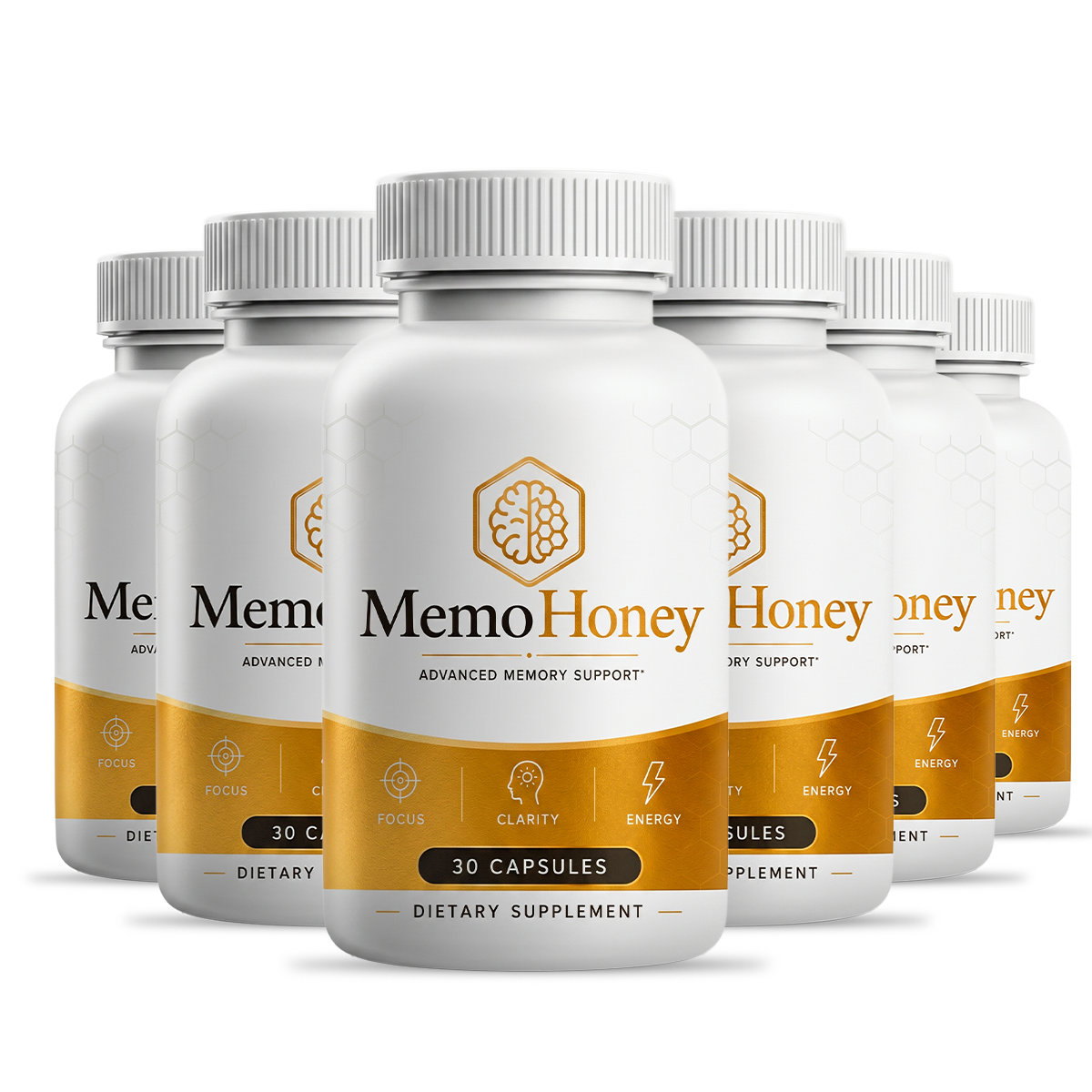
We would always put the basics first. Once they are in place, some people choose to add a daily memory-support supplement such as MemoHoney, which you can learn about on the what is MemoHoney page.
To avoid counterfeit stock, order only from the MemoHoney official website, where the MemoHoney discount is applied automatically to multi-bottle bundles.
The Bottom Line
Blood flow to the brain is worth understanding because it shapes decisions you make every day. Focus on the facts that are well supported, stay sceptical of dramatic promises and involve a professional whenever health or medication is part of the picture.
Check MemoHoney Official Pricing