What Research Says About Aerobic Exercise and Memory
When people ask whether aerobic exercise and memory really matters, they deserve an answer grounded in studies rather than slogans. Here is a balanced look at what is known so far.
Aerobic exercise is any activity that raises your heart rate and breathing for a sustained period, such as brisk walking, cycling or swimming. It is one of the best-supported habits for brain health.
Exercise benefits the brain directly, not just the body. Everyday habits are some of the best-studied tools for brain health, and they cost little or nothing to adopt.
The Evidence in Brief
A well-known trial in older adults found a year of walking increased hippocampal volume by around 2 percent, reversing roughly one to two years of age-related shrinkage. Exercise raises brain-derived neurotrophic factor, known as BDNF, which supports the growth of new connections. That is a more measured picture than advertising usually paints, but it is also a more useful one.
How the Evidence Is Gathered
Public health guidelines are built on reviews of many studies, which is why they tend to be cautious and conservative.
Exercise may benefit the brain by increasing blood flow, reducing inflammation, improving insulin sensitivity and stimulating growth factors. These effects appear to build over months of regular activity.
Association is not causation. When people who do something also have better memory, other factors such as income, education or general health may explain the link.
Findings Worth Knowing
- US guidelines recommend at least 150 minutes of moderate aerobic activity each week for adults.
- Even single sessions of exercise can briefly improve attention and mood.
- Exercise improves sleep quality, which in turn supports memory.
- Physical inactivity is one of the modifiable dementia risk factors named by the Lancet Commission.
- Brisk walking counts as moderate activity.
- Benefits appear at any age, including in people who start late in life.
What the Evidence Does Not Prove
Official bodies such as the NIH tend to describe the evidence conservatively. That caution is a feature, not a flaw. A related misconception is worth naming: Only intense exercise helps the brain. In fact, moderate activity like brisk walking has shown clear benefits.
Another claim often attached to this topic: It is too late to benefit if you are older. In fact, studies show brain benefits even when people start exercising in later life.
Reading Claims Critically
When you see a bold claim, ask three questions: who was studied, how much was used and for how long. If a source cannot answer those, treat the claim with caution.
You can cross-check what you read here against the National Institute on Aging, which has no product to sell.
What This Means for You
These practical steps are a sensible place to start:
- Start with ten-minute brisk walks and build up.
- Choose activities you enjoy so you keep doing them.
- Exercise with others for motivation and social benefits.
- Fit activity into daily routines, such as walking meetings.
A simple example helps. A person who walks briskly for 30 minutes five days a week meets the US activity guideline without a gym membership, special clothing or complicated plans.
Other Things Worth Knowing
Habits are easiest to build when they are small and specific. Deciding to walk for ten minutes after lunch works better than a vague intention to exercise more.
Small environmental tweaks, such as keeping walking shoes by the door or fruit on the counter, often work better than relying on motivation alone.
How This Relates to MemoHoney
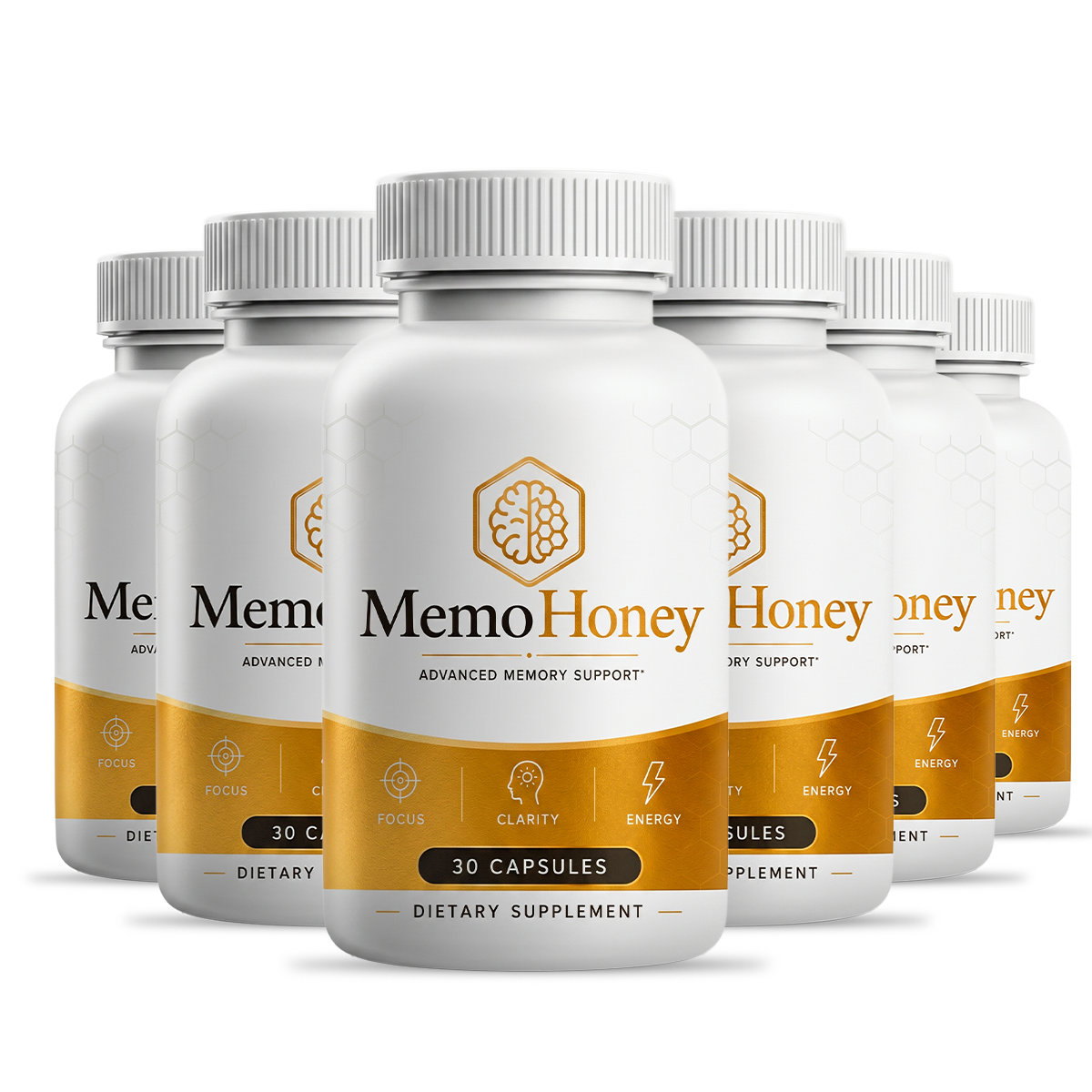
If you are exploring supplements alongside lifestyle changes, our MemoHoney ingredients page lists what is in each capsule, and the MemoHoney reviews page gives an honest summary of pros and cons.
To avoid counterfeit stock, order only from the MemoHoney official website, where the MemoHoney discount is applied automatically to multi-bottle bundles.
Key Takeaway
The key takeaway on aerobic exercise and memory is balance. Use the solid evidence, respect the limits of what is known and build any change into a routine you can sustain.
Check MemoHoney Official Pricing