Advertorials and Affiliate Pages: What the Rules Actually Say
It is one thing to hear that something is backed by science and another to know what that science involved. This article unpacks the evidence around advertorials and affiliate review pages step by step.
An advertorial is an advertisement designed to look like independent editorial content. Affiliate review sites earn a commission when readers buy through their links.
Knowing who benefits from a recommendation helps you weigh it properly. Most buyer problems, from refund disputes to counterfeit products, are avoidable with a little knowledge in advance.
The Short Answer
FTC guidance on native advertising requires that paid content be clearly identifiable as advertising. Its endorsement guides also require affiliates to disclose financial relationships clearly and close to the claims they make. In other words, the evidence is informative but not a reason for sweeping promises.
The Legal Background
Much of what protects buyers is not a law about a particular product but general rules about truthful advertising, clear disclosure of terms and fair treatment of refunds.
Some advertorials use invented names for doctors or quote real experts out of context. Others copy the layout of well-known news brands. A quick search for the article outside the page usually reveals whether it exists independently.
Who took part matters. Findings in young students, older adults with memory complaints or people with a medical condition do not automatically apply to everyone.
Details Every Buyer Should Know
- Advertorials often mimic news sites, with headlines, bylines and fake comment sections.
- Affiliate links earn the publisher money when you buy.
- The FTC expects disclosures to be clear, not hidden in footers.
- Some pages invent doctors or celebrity endorsements.
- Countdown timers and limited stock messages are common pressure tactics.
- Independent sources, such as NIH fact sheets, have no sales incentive.
Where Protection Runs Out
Where studies disagree, the most cautious interpretation is usually the safest one to act on. A related misconception is worth naming: A news-style article is independent journalism. In fact, many such pages are paid advertising designed to look like news.
Another claim often attached to this topic: Affiliate reviews are always dishonest. In fact, some are careful and transparent; the key is clear disclosure and balanced information.
Reading Claims Critically
Be wary of before-and-after stories, celebrity endorsements and phrases such as scientifically proven with no study named. Genuine evidence can be looked up and checked.
For a second opinion from a public source, see the FTC consumer advice site.
What This Means for You
If you want to act on this, begin with the following:
- Look for a disclosure near the top of any review page.
- Search for the named experts to see whether they exist.
- Cross-check claims with independent health sources.
- Pause before buying when a page uses urgency tactics.
A simple example helps. A page styled like a national newspaper tells the story of a grandmother whose memory returned in a week. Scrolling to the bottom reveals the word advertisement in small print.
More Useful Context
Your doctor is a partner in brain health, not only someone to see when problems arise. Regular check-ups catch treatable issues such as high blood pressure, vitamin deficiencies and hearing loss early.
Health claims on social media are rarely checked. Treat videos and posts promoting supplements as advertising unless the creator clearly explains their evidence and discloses any payment.
How This Relates to MemoHoney
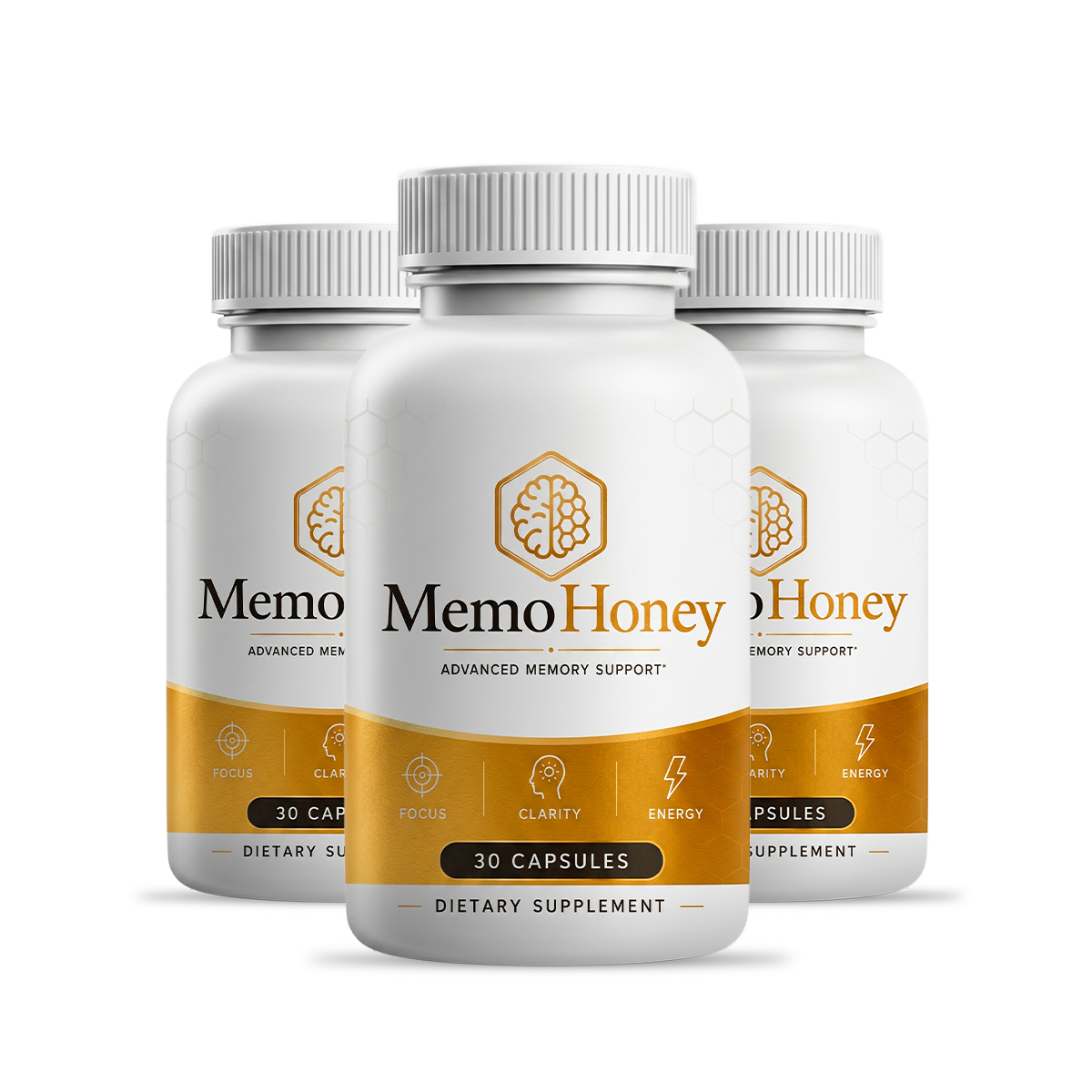
The same checks apply to MemoHoney. It is sold through the MemoHoney official website, and orders there are covered by a 60-day refund window counted from the original purchase date, as set out in our refund policy.
You will find the latest MemoHoney offers on the MemoHoney official website. As with any supplement, speak to a healthcare professional first if you have a medical condition or take prescription medicine.
Final Thoughts
There is no shortcut around the basics, but understanding advertorials and affiliate review pages helps you make better use of them. Keep this guide handy and revisit it when new claims come your way.
Check MemoHoney Official Pricing