Common Myths About Advertorials and Affiliate Pages
Before you act on something you read about advertorials and affiliate review pages, it is worth checking whether it holds up. These are the claims our editors see most often, and what the facts actually say.
An advertorial is an advertisement designed to look like independent editorial content. Affiliate review sites earn a commission when readers buy through their links. Supplements are regulated differently from medicines, which puts more of the responsibility for careful choices on the buyer.
Why Misconceptions Persist
Online shopping habits from other product categories do not always transfer safely to things you swallow every day. Knowing who benefits from a recommendation helps you weigh it properly.
Myth 1: A news-style article is independent journalism
Fact: Many such pages are paid advertising designed to look like news. Advertorials often mimic news sites, with headlines, bylines and fake comment sections.
Myth 2: Affiliate reviews are always dishonest
Fact: Some are careful and transparent; the key is clear disclosure and balanced information. Affiliate links earn the publisher money when you buy.
Myth 3: A money-back guarantee removes all risk
Fact: Guarantees have windows and conditions that decide whether they can actually be used.
Myth 4: More badges mean a better product
Fact: Badges vary from meaningful certifications to decorative images with no independent verification.
The Facts Worth Remembering
- The FTC expects disclosures to be clear, not hidden in footers.
- Some pages invent doctors or celebrity endorsements.
- Countdown timers and limited stock messages are common pressure tactics.
- Independent sources, such as NIH fact sheets, have no sales incentive.
What Official Guidance Says
FTC guidance on native advertising requires that paid content be clearly identifiable as advertising. Its endorsement guides also require affiliates to disclose financial relationships clearly and close to the claims they make. Finally, safety evidence matters as much as benefit evidence. Something with a small upside and a real risk is not a good trade for most people.
Some advertorials use invented names for doctors or quote real experts out of context. Others copy the layout of well-known news brands. A quick search for the article outside the page usually reveals whether it exists independently.
You can cross-check what you read here against the NIH Office of Dietary Supplements, which has no product to sell.
Better Habits to Follow
These practical steps are a sensible place to start:
- Look for a disclosure near the top of any review page.
- Search for the named experts to see whether they exist.
- Cross-check claims with independent health sources.
- Pause before buying when a page uses urgency tactics.
To put this in context, a page styled like a national newspaper tells the story of a grandmother whose memory returned in a week. Scrolling to the bottom reveals the word advertisement in small print.
Other Things Worth Knowing
Health claims on social media are rarely checked. Treat videos and posts promoting supplements as advertising unless the creator clearly explains their evidence and discloses any payment.
When you read about health online, favour sources that cite their evidence, name their authors and separate advertising from editorial content. Government health agencies and peer-reviewed reviews are good places to start.
It is worth reading the contact details on any seller's site. A real address, phone number and responsive email are basic signs of a business that expects to be held accountable.
Your doctor is a partner in brain health, not only someone to see when problems arise. Regular check-ups catch treatable issues such as high blood pressure, vitamin deficiencies and hearing loss early.
How This Relates to MemoHoney
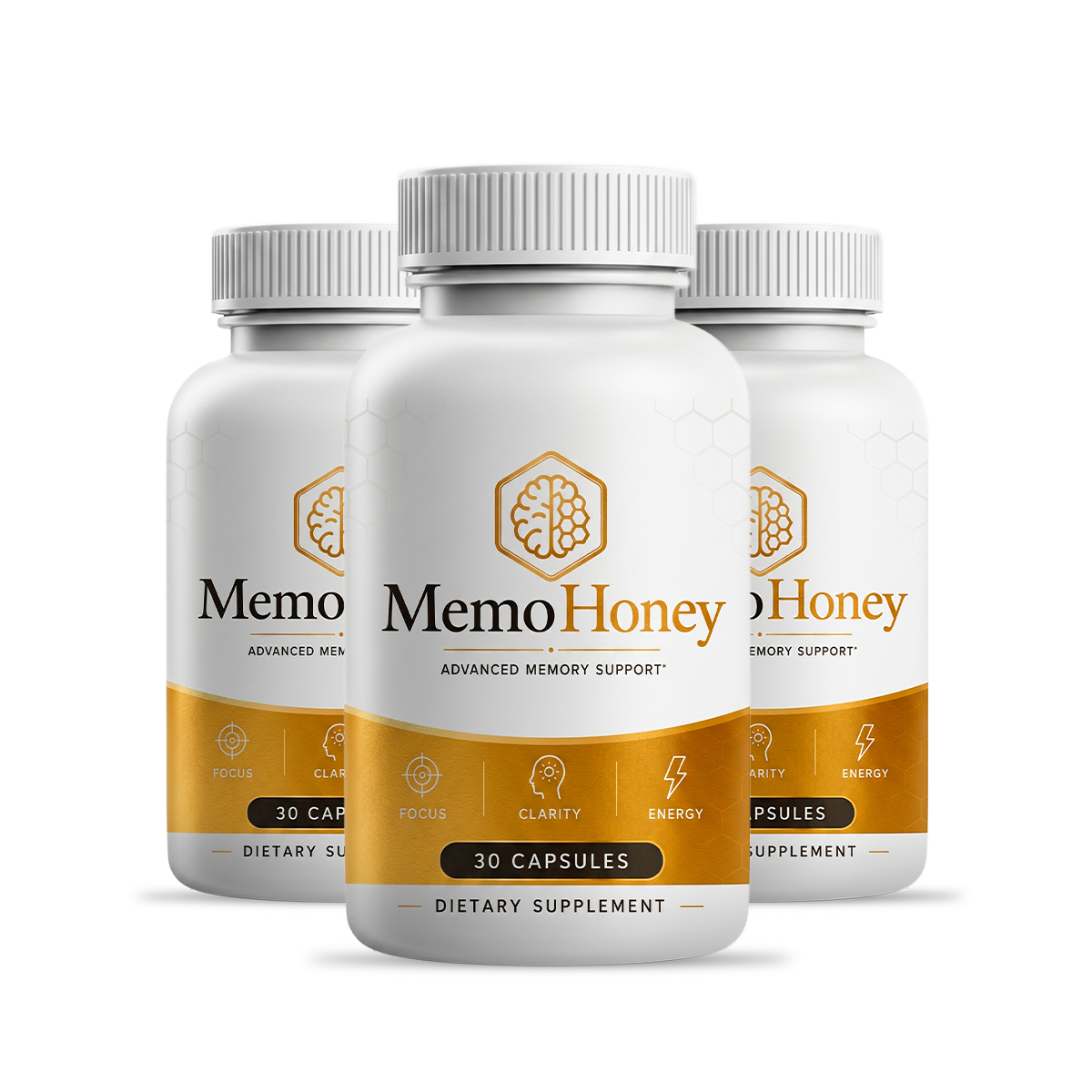
If you are weighing MemoHoney, read the MemoHoney ingredients page, keep your order confirmation email, and note the purchase date. Those three steps cover most of what this article recommends.
To avoid counterfeit stock, order only from the MemoHoney official website, where the MemoHoney discount is applied automatically to multi-bottle bundles.
Summing Up
Understanding advertorials and affiliate review pages will not transform your memory overnight, but it will help you choose what is worth your time, money and attention. That is a genuine advantage.
Check MemoHoney Official Pricing