Common Myths About Acetylcholine
Myths are persuasive because they are simple. The reality of acetylcholine is a little more nuanced, but far more useful once you understand it.
Acetylcholine was the first neurotransmitter ever identified. In the brain it helps regulate attention, learning and memory, and in the body it controls muscle contraction. Memory and focus are not single abilities but systems with many parts. Knowing where acetylcholine fits helps you target the right part of the problem.
Why Misconceptions Persist
Worry also plays a role. Memory is personal and emotional, which makes alarming or overly reassuring claims spread quickly. Many memory supplements talk about acetylcholine, so understanding what it does helps you judge those claims.
Myth 1: Supplements can top up acetylcholine like filling a tank
Fact: The brain tightly controls acetylcholine; evidence that supplements raise it in healthy people is limited. The enzyme acetylcholinesterase breaks acetylcholine down within milliseconds after it is released.
Myth 2: Only dementia drugs affect acetylcholine
Fact: Many common medicines have anticholinergic effects, which is worth reviewing with a pharmacist. Choline from food is the raw material the body uses to make acetylcholine.
Myth 3: We only use ten percent of our brains
Fact: Imaging shows activity across virtually the whole brain, even during sleep.
Myth 4: Memory decline is unstoppable after 40
Fact: Some processing speed slows with age, but knowledge and vocabulary often improve, and lifestyle factors matter a great deal.
Facts to Keep
- Anticholinergic medicines, found in some allergy, bladder and sleep drugs, block acetylcholine and have been linked with confusion in older adults.
- Acetylcholine helps the brain decide which information is worth attending to.
- Prescription cholinesterase inhibitors include donepezil, rivastigmine and galantamine.
- Acetylcholine levels are carefully regulated, so more building blocks do not automatically mean more signalling.
The Research Behind the Facts
Loss of acetylcholine-producing neurons is a feature of Alzheimer's disease, which is why the main dementia drugs block its breakdown. Whether nutrients or supplements meaningfully raise acetylcholine in healthy people is far less clear. Research tells us about groups, not individuals. Your own response may be larger, smaller or absent, which is why personal tracking is useful.
Acetylcholine-producing cells in an area called the basal forebrain send connections throughout the cortex and hippocampus. When those cells are lost, as happens in Alzheimer's disease, attention and memory both suffer, which is the rationale behind current cholinesterase inhibitor drugs.
For a second opinion from a public source, see the National Institute on Aging.
Practical Alternatives
The most useful actions are also the simplest:
- Ask your pharmacist whether any regular medicines have strong anticholinergic effects.
- Eat choline-rich foods such as eggs, fish and legumes.
- Be sceptical of labels that promise to boost acetylcholine directly.
- Never mix supplements that affect acetylcholine with dementia medication without advice.
A real-world example makes this clearer. An older adult who takes an over-the-counter sleep aid containing diphenhydramine every night may feel foggy the next day. That medicine has strong anticholinergic effects, and a pharmacist can suggest alternatives.
Beyond the Basics
It is reassuring to know that the brain is remarkably resilient. Many of the factors that affect memory, from sleep to blood pressure, respond to changes you can make at almost any age.
The brain uses around a fifth of the body's energy despite making up only about two percent of body weight. That high demand helps explain why sleep, blood flow and nutrition have such a visible effect on thinking.
MemoHoney and This Topic
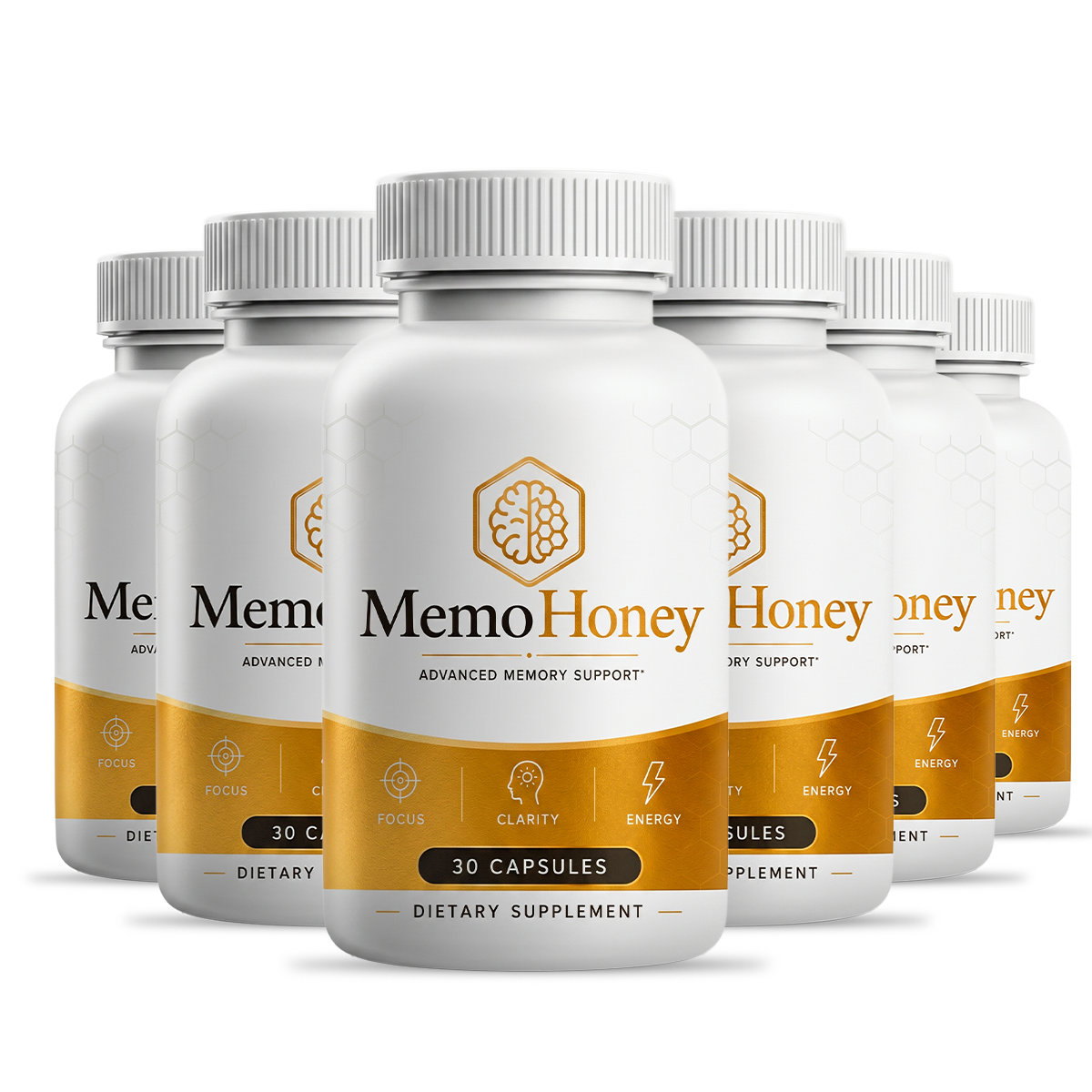
Many readers who follow the advice in this blog also ask about MemoHoney. It is a daily capsule formulated without harsh stimulants, and our how it works page sets out the approach in plain language.
Current bundles and the MemoHoney sale pricing are listed on the MemoHoney official website. Each bottle holds 30 capsules, which is one month at the labelled serving.
Summing Up
Acetylcholine is worth understanding because it shapes decisions you make every day. Focus on the facts that are well supported, stay sceptical of dramatic promises and involve a professional whenever health or medication is part of the picture.
Check MemoHoney Official Pricing