Understanding Acetylcholine: The Essentials
Much of what is written online about acetylcholine is either too technical or too promotional. This guide aims for the middle ground: accurate, readable and genuinely useful.
Getting Clear on Acetylcholine
Acetylcholine was the first neurotransmitter ever identified. In the brain it helps regulate attention, learning and memory, and in the body it controls muscle contraction.
The enzyme acetylcholinesterase breaks acetylcholine down within milliseconds after it is released. Choline from food is the raw material the body uses to make acetylcholine.
Why It Matters for Memory and Focus
Many memory supplements talk about acetylcholine, so understanding what it does helps you judge those claims. Understanding how the brain actually works makes it much easier to spot claims that do not add up, and to choose habits that genuinely help.
What the Evidence Says
Loss of acetylcholine-producing neurons is a feature of Alzheimer's disease, which is why the main dementia drugs block its breakdown. Whether nutrients or supplements meaningfully raise acetylcholine in healthy people is far less clear. Much of what we know about memory comes from carefully designed experiments in which volunteers learn material and are tested later under different conditions, such as after sleep or under stress.
Acetylcholine-producing cells in an area called the basal forebrain send connections throughout the cortex and hippocampus. When those cells are lost, as happens in Alzheimer's disease, attention and memory both suffer, which is the rationale behind current cholinesterase inhibitor drugs.
Duration is easy to overlook. A benefit measured after twelve weeks says little about the first few days, and short studies cannot reveal long-term effects.
For independent background, the National Institute on Aging is a reliable, non-commercial place to start.
Quick Facts
- Anticholinergic medicines, found in some allergy, bladder and sleep drugs, block acetylcholine and have been linked with confusion in older adults.
- Acetylcholine helps the brain decide which information is worth attending to.
- Prescription cholinesterase inhibitors include donepezil, rivastigmine and galantamine.
- Acetylcholine levels are carefully regulated, so more building blocks do not automatically mean more signalling.
Common Mistakes to Avoid
Another is looking for a single fix while ignoring the basics of sleep, stress and physical health, which drive so much of how the brain performs.
One misconception comes up often: Supplements can top up acetylcholine like filling a tank. In reality, the brain tightly controls acetylcholine; evidence that supplements raise it in healthy people is limited.
Another idea worth correcting: Only dementia drugs affect acetylcholine. The evidence points elsewhere: many common medicines have anticholinergic effects, which is worth reviewing with a pharmacist.
What You Can Do
A few simple actions put this knowledge to work:
- Ask your pharmacist whether any regular medicines have strong anticholinergic effects.
- Eat choline-rich foods such as eggs, fish and legumes.
- Be sceptical of labels that promise to boost acetylcholine directly.
- Never mix supplements that affect acetylcholine with dementia medication without advice.
To put this in context, an older adult who takes an over-the-counter sleep aid containing diphenhydramine every night may feel foggy the next day. That medicine has strong anticholinergic effects, and a pharmacist can suggest alternatives.
The simplest way to judge progress is a one-minute note each day: how you slept, how focused you felt and anything unusual. After a month, patterns become visible that you would never notice day to day.
More Useful Context
The Lancet Commission estimates that addressing modifiable risk factors across life could prevent or delay a substantial share of dementia cases, which makes everyday habits a meaningful part of brain health.
A Note on MemoHoney
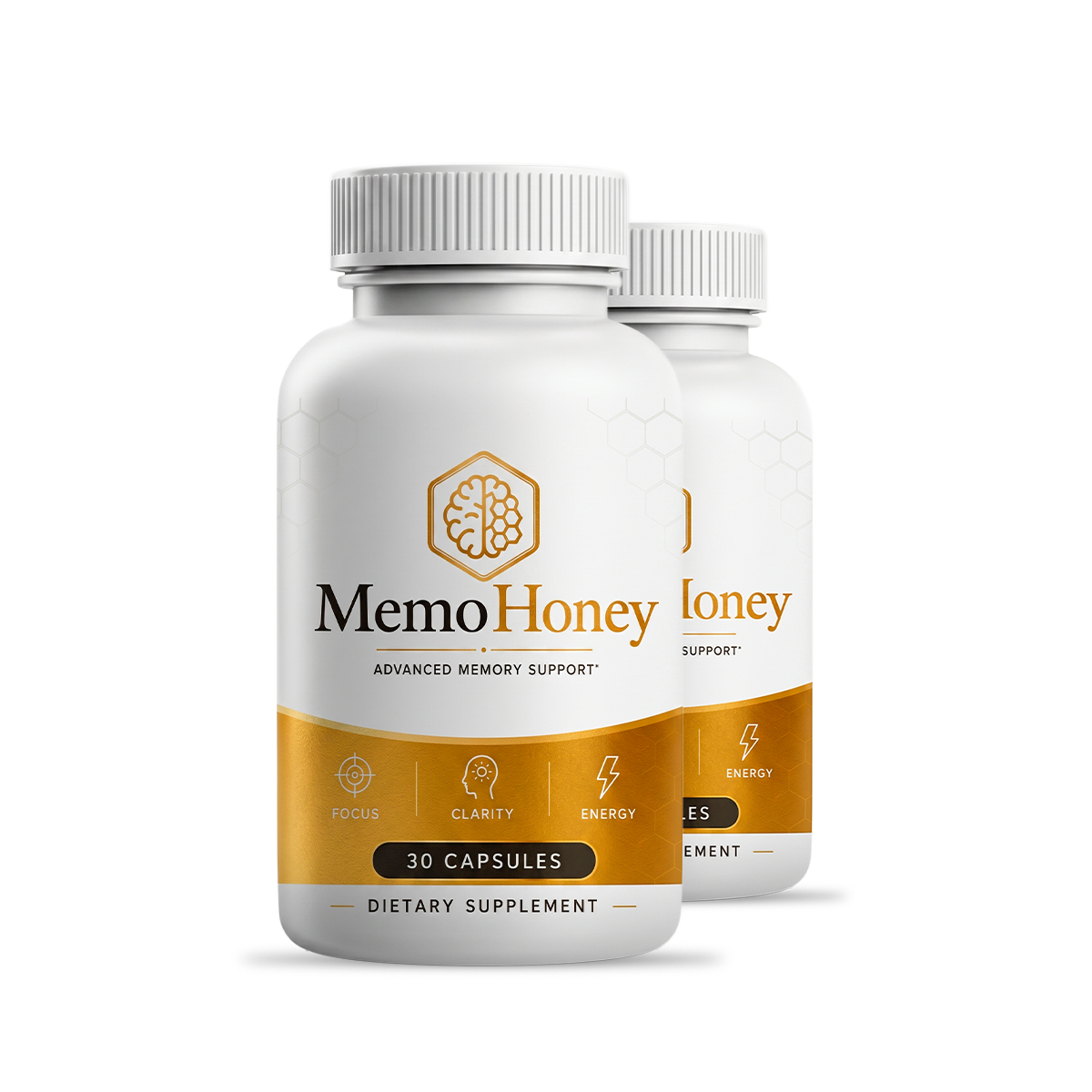
MemoHoney is made for adults who want to support everyday memory and focus without relying on harsh stimulants. The benefits page and the ingredients page together give a complete picture.
The MemoHoney official website is the only authorised place to order. There you can see the official MemoHoney pricing and the terms of the 60-day guarantee side by side.
The Bottom Line
Acetylcholine is worth understanding because it shapes decisions you make every day. Focus on the facts that are well supported, stay sceptical of dramatic promises and involve a professional whenever health or medication is part of the picture.
Check MemoHoney Official Pricing